Introduction
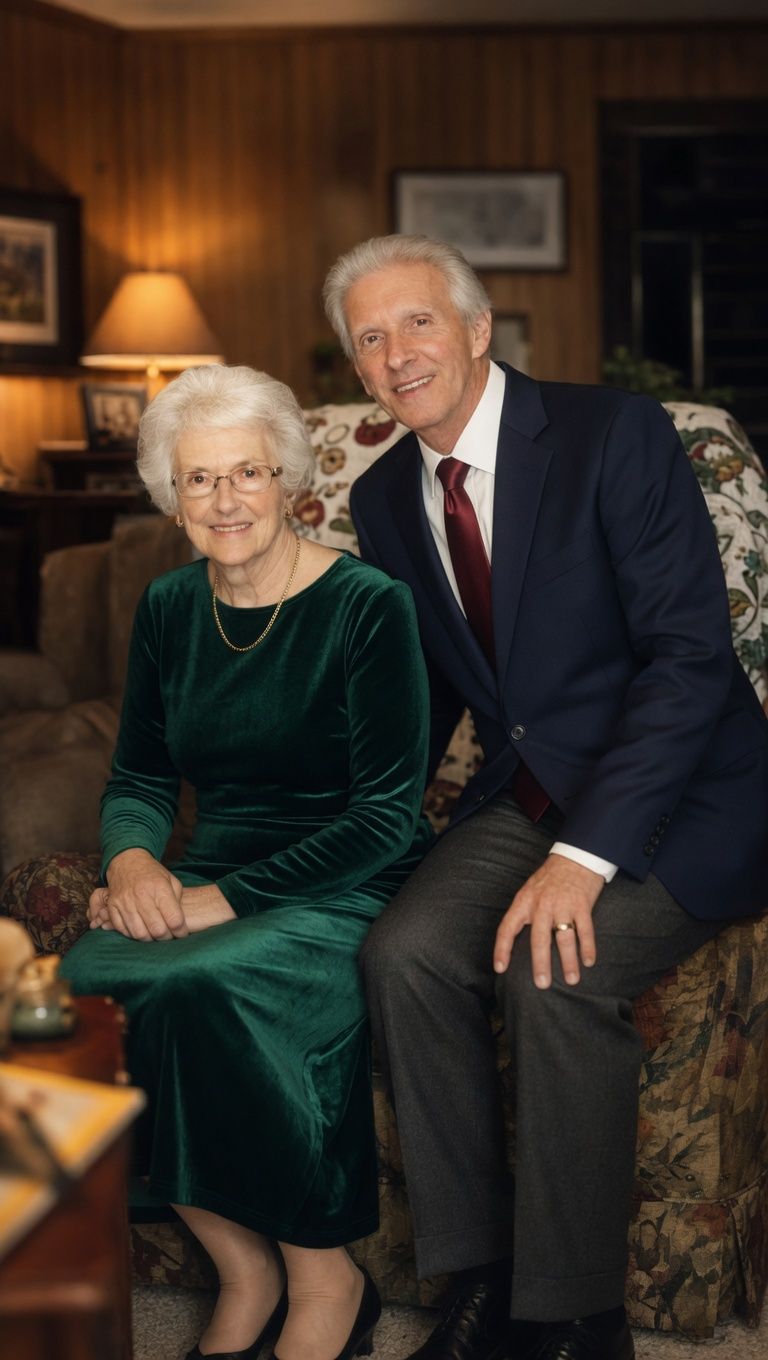
The Quiet Baritone’s Hidden Heartbreak: Phil Balsley, Wilma Lee, and the Virginia Love Story Behind The Statler Brothers’ Gentle Sound
SHE WAS A GIRL FROM STAUNTON, VIRGINIA NAMED WILMA LEE KINCAID. HE WAS A BOY FROM THE SAME TOWN NAMED PHIL BALSLEY. TWO YEARS APART. ONE SMALL TOWN. ONE SMALL CHURCH. In the grand history of country and gospel harmony, some stories are told beneath the bright lights, while others live quietly in church pews, family kitchens, small-town streets, and the steady devotion of people who never asked to be famous. Phil Balsley’s name will always be remembered as part of The Statler Brothers, that beloved vocal group whose sound carried dignity, warmth, humor, and deep American feeling. But behind the calm baritone voice was a life rooted in something far more private: loyalty, faith, family, and a love story that began long before the applause.
Wilma Lee Kincaid was not a headline. She was not the face on the album cover. Yet in many ways, she represented the very world The Statler Brothers sang about — home, church, memory, duty, and the quiet strength of ordinary people. She and Phil came from Staunton, Virginia, a town where names were remembered, families crossed paths for generations, and Sunday mornings could shape a person’s heart as much as any stage ever could. Wilma Lee Kincaid was born in the summer of 1941. Phil Balsley had been born two years earlier, and in Staunton, Virginia, the kind of place where families, faith, and familiar pews could hold a lifetime together, their stories began close enough to almost feel written.
By April 1963, they were not just two young people from the same town. They were husband and wife, building a life that would quietly run alongside one of country music’s most enduring careers. Phil would travel, sing, appear on national television, stand beside Johnny Cash, and help shape the sound of a group that millions came to love. But Wilma Lee built the home that allowed that music to exist without losing its soul. She raised their children, served her church, taught Nursery Sunday School, helped with Meals on Wheels, and lived with a kind of grace that did not need applause to be meaningful.
That may be why Phil Balsley’s quiet presence always carried such emotional weight. His restraint never felt empty. It felt full — full of things too sacred to turn into performance. While the world heard his voice blend into those rich Statler harmonies, perhaps the deepest harmony of his life was waiting back in Virginia, in the marriage, family, and faith that shaped him.
When Wilma Lee Balsley died on December 28, 2014, at the age of 73, a chapter of more than fifty years came to a close. Phil never remarried. For listeners who understand that music is often built from what a singer carries silently, that fact gives his legacy an even deeper tenderness. The road, the awards, the songs, and the fame all matter. But sometimes the most powerful story is the one behind the curtain — the woman who stayed, the man who returned, and the little church that held more history than the spotlight ever revealed.