Introduction
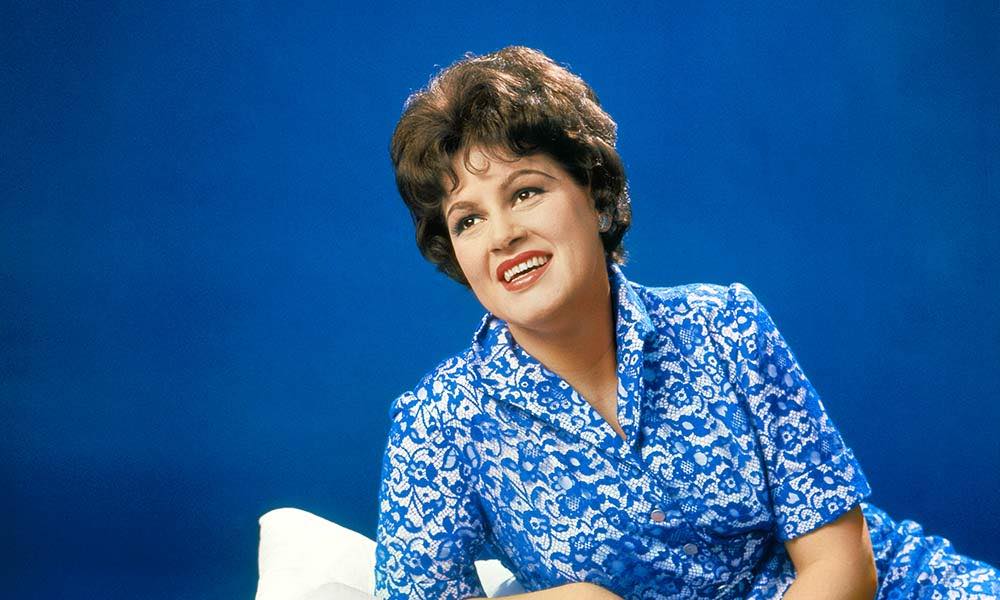
The Forgotten Man in Patsy Cline’s Sky: Randy Hughes, the Guitarist-Pilot Who Changed Country Music Travel
Long before country music tours became carefully managed operations with luxury buses, private schedules, and professional travel teams, there was Randy Hughes — a man whose name is often remembered in the shadow of tragedy, yet whose role in country music history deserves a far deeper look. To understand the world surrounding Patsy Cline, Cowboy Copas, and the traveling artists of the early 1960s, one must understand the rare combination of talent, loyalty, and ambition that Hughes brought to the road.
Discover Randy Hughes, the pilot and manager for Patsy Cline, and you discover more than a footnote in a famous singer’s story. You discover a musician who understood the exhausting demands of touring, the pressure of getting from one town to another, and the need for artists to keep moving in an era when country music was expanding beyond small-town stages into a national force. Hughes was not merely someone standing behind the scenes. He was a talented guitarist, a trusted manager, and a man who believed that modern transportation could give performers more freedom, more time, and more opportunity.
His connection to the country music world ran deep. By marrying Cowboy Copas’ daughter, Hughes became part of a musical family already tied to the Grand Ole Opry tradition and the hard-working spirit of postwar country entertainment. That relationship placed him close to artists who lived on the road, carrying their voices from dance halls to theaters, from radio appearances to benefit shows. In those days, every mile mattered. Every delay could mean a lost performance, a disappointed crowd, or a missed chance to build a career.
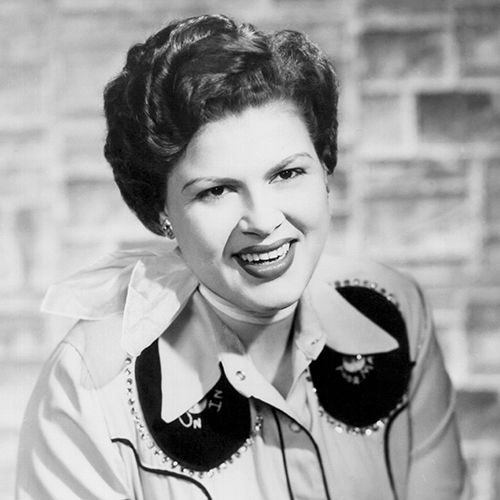
That is why Hughes’ use of his Piper Comanche feels so important in hindsight. At a time when many artists still relied on long car rides through difficult weather and uncertain roads, Hughes saw aviation as a practical answer. He used his Piper Comanche to fly artists, helping shorten travel time and reshape what touring could become. In that sense, he was part of a quiet revolution — one that helped country performers imagine a faster, more connected future.
Yet his story is also surrounded by sorrow because of the plane crash that took the lives of Hughes, Patsy Cline, Cowboy Copas, and Hawkshaw Hawkins. For many fans, his name appears only at the end of that heartbreaking chapter. But to remember him only through loss is to miss the fuller picture. Randy Hughes was a working musician, a family man, a manager, and an innovator who stood at the intersection of country music’s old road life and its modern future.
His legacy reminds us that history is not shaped only by the singers at the microphone. Sometimes, it is shaped by the guitarist in the background, the manager making the schedule, the pilot studying the sky — the person trying to carry the music safely to the next town.