Introduction

Few songs in popular music have ever sounded as daring, strange, and unforgettable as Queen – Bohemian Rhapsody. Even today, decades after its release, it remains the kind of recording that can stop a room in mid-conversation. It begins almost like a confession, grows into something theatrical and mysterious, explodes into rock power, and then fades away with the solemn grace of a curtain closing after a great stage performance. It is not merely a song; it is a journey.
When Queen released “Bohemian Rhapsody,” they were not following a formula. They were challenging the very idea of what a radio single could be. At a time when most hit songs were built around clear structure and easy repetition, Freddie Mercury and the band created something closer to a miniature drama. There is no ordinary chorus to lean on, no simple pattern to predict. Instead, the listener is carried through shifting sections — gentle piano, layered harmonies, operatic grandeur, heavy guitar, and finally a reflective ending that feels almost like acceptance.
For older listeners who remember hearing it for the first time, the shock was not only in the sound, but in the confidence. Queen seemed to be saying that rock music could be intelligent, theatrical, emotional, and grand without apology. Freddie Mercury’s voice moved through the song with remarkable control, from quiet vulnerability to commanding force. Brian May’s guitar did not simply decorate the track; it gave it fire and dignity. Roger Taylor and John Deacon added the power and precision that kept the entire piece from collapsing under its own ambition.
What makes Queen – Bohemian Rhapsody so enduring is that it refuses to become ordinary. Many songs from the same era are remembered with affection, but this one still feels alive, still feels slightly dangerous, still feels as if it is revealing something new each time it plays. Its lyrics invite interpretation without ever giving away too much. Its arrangement feels carefully built, yet emotionally unpredictable. That combination of mystery and craftsmanship is rare.
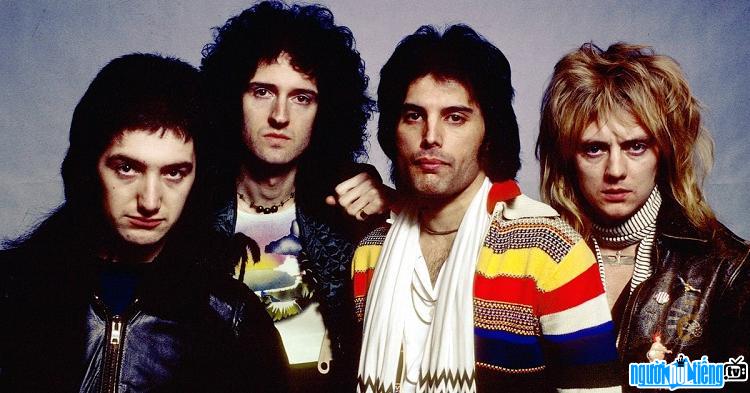
There is also a deeply human quality beneath the spectacle. Behind the operatic voices and thunderous guitars, the song carries feelings of fear, regret, confusion, and release. It speaks to anyone who has faced consequences, questioned themselves, or felt caught between darkness and hope. That is why it continues to reach across generations. Younger listeners may discover it through films, concerts, or family record collections, but they respond to the same thing older audiences heard from the beginning: a band daring to turn private emotion into public art.
In the history of rock, “Bohemian Rhapsody” stands almost alone. It is bold without being hollow, dramatic without being empty, and complex without losing its heart. Queen did not just record a hit; they created a landmark. And once you have heard it properly, with its shadows, its grandeur, and its final quiet farewell, it is nearly impossible to forget.