Introduction
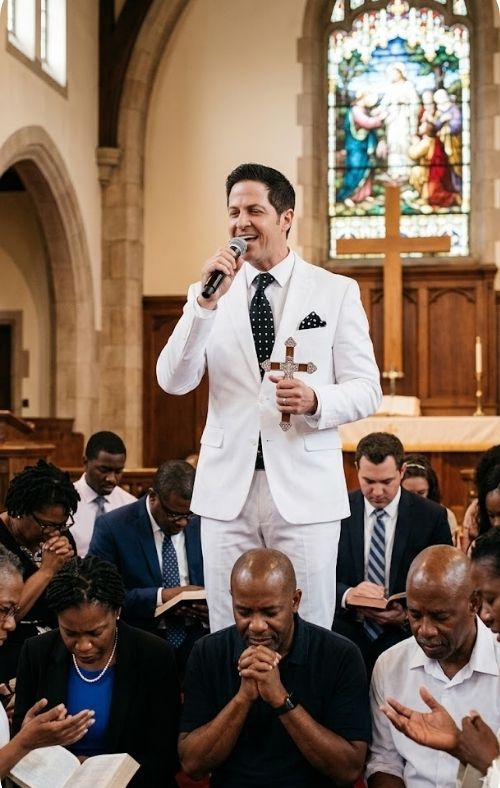
In gospel music, greatness is not always measured by volume, spectacle, or constant reinvention. Sometimes, it is measured by endurance — by the quiet courage to remain faithful when the world keeps telling artists to move faster, shine brighter, and chase the next stage. That is what makes Wes Hampton such a meaningful figure in modern gospel history. His story is not simply about a gifted tenor with a beautiful voice. It is about a man who understood that music can become ministry when it is rooted in humility, purpose, and devotion.
Through his 20-year journey with the Gaither Vocal Band, Hampton has become one of the most enduring and respected voices in gospel music. In a group known for legendary singers, powerful harmonies, and deep spiritual influence, his longevity carries special weight. Being the longest-serving member after Bill Gaither is not just a biographical detail — it is a testimony. It says something about character, discipline, and the rare ability to serve something larger than personal ambition.
When Hampton joined the group in 2005, he was not merely stepping into a famous ensemble. He was entering a musical family and, in many ways, a spiritual classroom. Under Bill Gaither’s leadership, he learned that gospel singing is not only about hitting the right notes, but about carrying the right spirit. His voice matured, but so did his understanding of ministry. He learned patience. He learned restraint. He learned that the most powerful moments onstage often happen when a singer stops trying to control the room and allows the message to breathe.

What makes his career especially compelling is that he never treated loyalty as a limitation. While remaining with the Gaither Vocal Band, he also built his own creative identity through solo albums, personal projects, and even cookbooks that revealed a warm, approachable side of his personality. He proved that independence and loyalty can coexist. In an age when many artists believe they must leave in order to grow, Hampton showed that a person can grow deeply by staying planted in the right place.
His life also reflects balance — something often missing in the music world. With time for family, faith, and home, Hampton has never appeared to separate his public calling from his private values. His role as a husband and father stands alongside his role as a singer, not beneath it.
Ultimately, Wes Hampton represents a kind of success that feels increasingly rare. He chose faithfulness, humility, and personal growth over constant self-promotion. He chose brotherhood over spotlight. He chose purpose over applause. And after two decades, his legacy reminds us that sometimes the greatest achievement is not leaving to prove who you are — it is staying long enough to become who you were meant to be.