Introduction
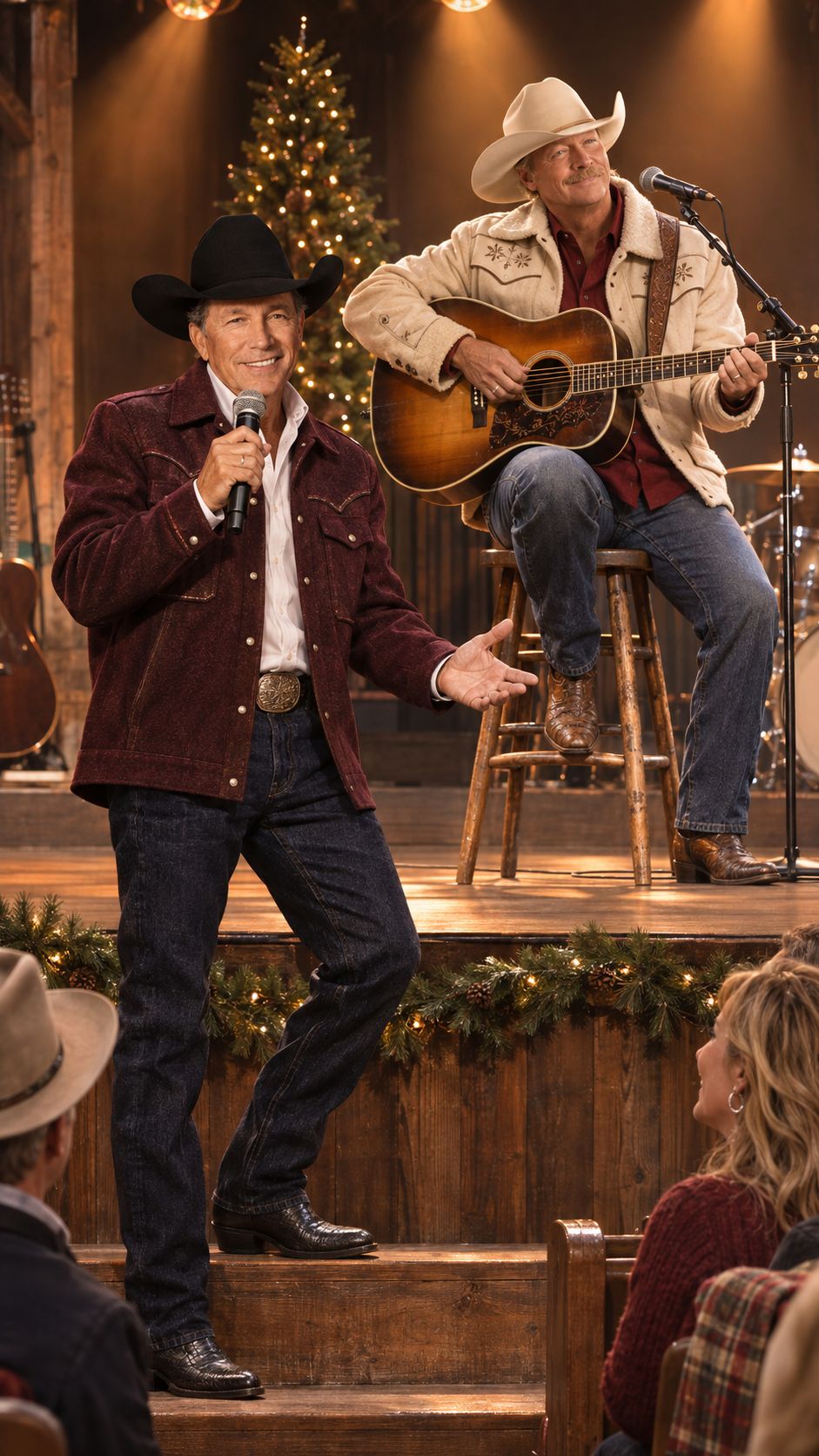
The first thing you notice about “Murder on Music Row” is how calmly George Strait and Alan Jackson deliver the accusation. A song with that title might suggest a dramatic arrangement or a singer spoiling for a fight. Instead, there’s a steady country rhythm, the familiar sound of fiddle and steel guitar, and two voices that leave plenty of room for the words. The arrangement makes its own argument. Before the singers get around to telling you what they fear Nashville is losing, you can already hear why they think it’s worth keeping.
By the time the two performed the song at the 1999 CMA Awards, they had come to represent different chapters of traditional country music. Strait had risen to prominence in the early 1980s with a sound grounded in honky-tonk and Western swing. Jackson broke through in the 1990s, bringing an easy Georgia drawl and a songwriter’s eye for the details of ordinary life. Written by Larry Cordle and Larry Shell and first recorded by Cordle’s group, Lonesome Standard Time, the song found a wider audience through the Strait and Jackson duet. Their collaboration won the CMA’s Vocal Event of the Year award in 2000.
Listen to the way the two singers trade lines. Strait has a way of setting down a phrase so evenly that you may miss, on first hearing, how pointed it is. Jackson stretches his vowels a little longer, giving certain words the sound of something he’s been turning over in his mind for years. When they come together, neither pushes for the upper hand. That restraint gives the duet its dry humor and its sting. They sing about the supposed demise of an entire sound with the composure of two men sharing a table after the dance has ended.

There’s a wry irony in hearing two of the genre’s biggest stars sing a song about traditional country being crowded out. Their own careers showed how many people still wanted to hear it. Yet the lyric gets at a concern that can coexist with that success. When radio and record companies change what they favor, listeners can feel the difference in small, specific ways. You might go a whole afternoon without hearing a fiddle answer a singer at the end of a line. You might start to wonder where the next young artist who loves that sound will get a chance to play it.
That’s what makes “Murder on Music Row” worth returning to long after the awards show. You can disagree with its verdict on Nashville and still hear the care Strait and Jackson bring to the music they’re defending. For listeners who remember waiting for a favorite record to come on the radio, there’s a particular pleasure in the way these two let a line finish and give the band room to answer. The next time you put on this duet, listen to what happens in those spaces between the voices. Some of its most persuasive lines belong to the instruments.