Introduction
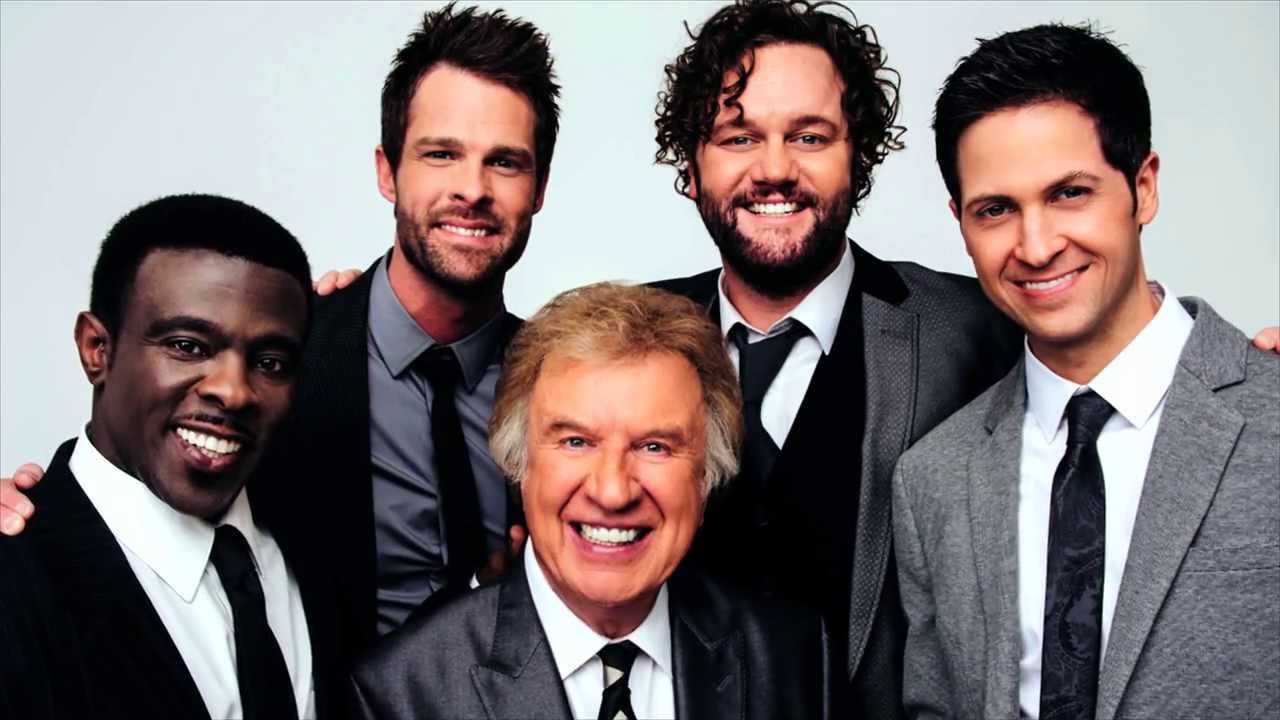
If one day the world no longer has Bill Gaither, the moment I imagine is a familiar one. A piano has just played the opening bars of a hymn. Someone knows the first verse by heart. Someone else waits for the chorus, where the harmony comes back as naturally as a childhood address. And for a second, everybody looks around to see who will start. That small hesitation tells you something about what Bill Gaither has given to gospel music. He has spent much of his life making it easier for people to find their voices together.
You can hear that gift in “Because He Lives,” the song Bill wrote with Gloria Gaither. Its melody gives singers time to breathe, and its chorus rises in a way that invites a roomful of people to join in. The words bring a large Christian conviction down to the scale of an ordinary day. What will tomorrow ask of us? How will we face it? The song makes room for those questions and gives people a way to answer them together. A person who sang it first in a country church may hear it years later in a hospital chapel and discover that the same words have acquired a different weight.

Bill’s instinct for shared singing also explains much of the appeal of the Gaither Homecoming gatherings. Watch one of those performances closely and you’ll notice how much happens at the edges of the frame. A singer waiting for a turn quietly mouths the words. Someone smiles at a harmony they recognize. A voice with the grain of age takes a verse, and the polished singers around it give that voice room. Bill often seems as interested in watching those exchanges as he is in getting to the next number. For viewers who grew up singing from hymnals, there’s something familiar about that kind of attention. You listen for the person beside you, and you adjust so you can sing together.
That same quality comes through in “He Touched Me.” Its verses have the intimacy of a personal testimony, while the refrain opens out into something a congregation can sing. The transition is simple, but it asks something of a performer. Rush it, and the testimony can sound like a prelude to a big finish. Give the words their full measure, and the lift into the refrain feels earned. This is one reason Gaither’s songs can work beautifully with a single piano and a few willing voices. So much of the feeling is already there in the way the words sit against the melody.
For longtime listeners, these songs often come attached to particular people. You might remember a father who always found the bass part, a Sunday school teacher whose voice carried over the organ, or a friend who would start singing while everyone else was still turning pages. Those are the details that give Southern gospel its place in family memory. Hearing a familiar chorus can bring back the sound of one person so clearly that, for a moment, you find yourself waiting for them to come in.
So who will start the next song? It could be the pianist who has played it for forty years or the grandchild who learned the chorus in the car and is only now learning the verses. Either way, someone will take a breath and sing the first line. A second voice will come in, and then a third. When that happens, we’ll hear something Bill and Gloria understood about writing songs for people to sing together. Once a song finds its way into enough lives, there’s nearly always somebody in the room who knows how it begins.