Introduction
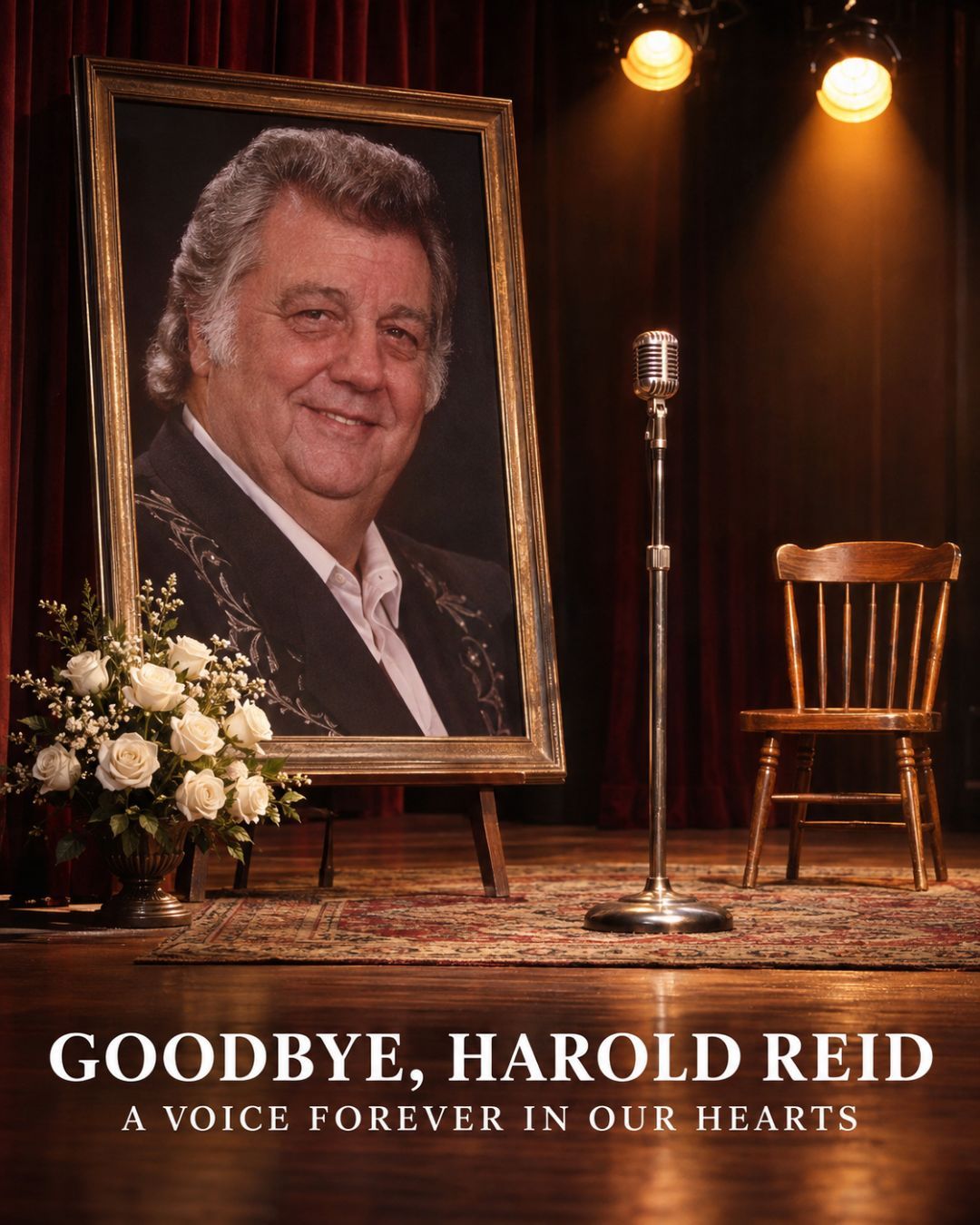
Goodbye, Harold Reid: The Deep Voice That Still Brings Us Home
Some voices become so familiar that we stop thinking of them as performances. They belong to the sound of home: a record turning in the living room, a radio playing during a Sunday drive, or a television special that brought the family together. For generations of country and gospel listeners, Harold Reid’s unmistakable bass voice held that kind of place. To say “Goodbye, Harold Reid” is to remember how deeply a singer can become connected to the lives of people he never personally knew.
As a member of The Statler Brothers, Harold supplied a musical foundation that listeners could recognize almost immediately. A good bass singer does much more than reach the lowest notes. He helps establish the balance of a chord, supports the movement of a phrase, and gives the other voices something solid to work against. Harold understood those responsibilities while bringing a distinctive personality to every performance. His contribution could be steady and supportive, then suddenly become the detail everyone remembered.

That combination of discipline and individuality was central to the pleasure of hearing the group. Their harmonies invited close listening, yet they remained approachable. You did not need a musical education to appreciate the way the voices fitted together. The arrangements made their craft audible through clear melodies, carefully placed entrances, and the satisfying sound of singers who understood their individual roles.
In “Flowers on the Wall,” the vocal delivery gives an unusual story its memorable character. The performance maintains a controlled, almost matter-of-fact surface, allowing the listener to notice the uncertainty beneath it. Harold’s lower register adds depth and contrast within the ensemble, helping give the recording its recognizable texture. The song rewards another hearing because its humor and loneliness sit so closely together.
“The Class of ’57” reaches into a different part of memory. Its reflections on former classmates become increasingly affecting as listeners grow older. Youthful expectations have met ordinary circumstances, and the years have carried everyone in different directions. The song treats those lives with understanding. Within that setting, the group’s blended voices create the feeling of a shared remembrance, something larger than one person’s account.

Harold’s appeal also extended beyond his singing. His humor brought warmth to the stage and made room for laughter alongside the more reflective songs. For audiences, that mattered. A concert could acknowledge disappointment, celebrate familiar pleasures, and offer a cheerful release within the same evening. His presence helped make the experience feel welcoming.
For older admirers, remembering Harold Reid may also bring thoughts of the people who first shared this music with them. A father who enjoyed the bass part. A mother who knew every word. A friend whose record collection introduced them to the group. Listening again can gather those associations into a few brief minutes, making an old recording unexpectedly personal.
“Goodbye, Harold Reid” therefore carries both sadness and gratitude. There is sadness in knowing that a familiar presence belongs now to memory, and gratitude for the performances that remain available to us. His musical contribution can still be heard clearly: the depth beneath the melody, the precision within the harmony, and the personality that made the part his own. When those voices come together again on a recording, listeners can still recognize the place he held—and understand why it mattered.