Introduction
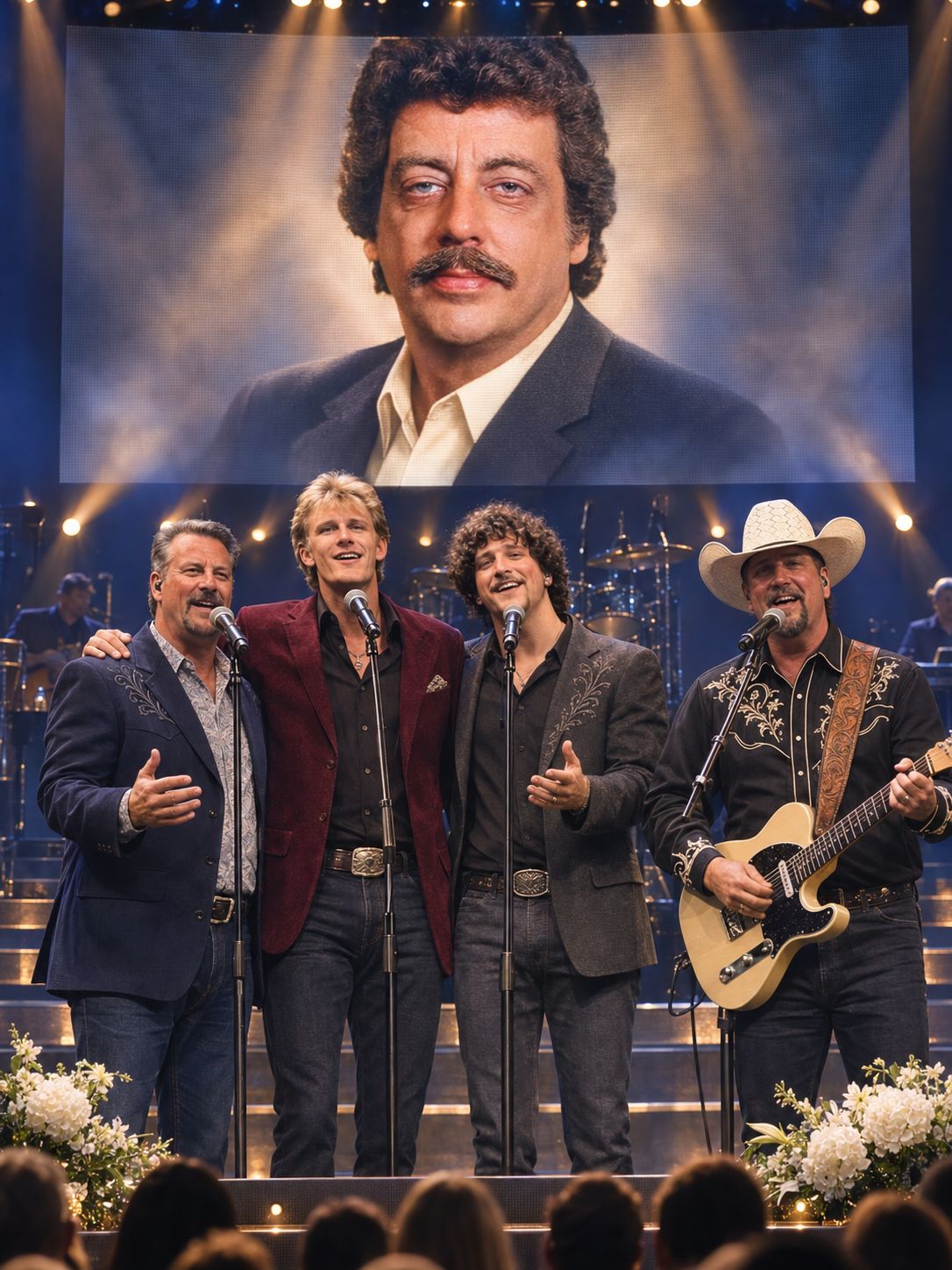
Some voices bring back a particular song. Others bring back an entire room: the family gathered around the television, a familiar chair beside the radio, an evening when nobody felt the need to hurry. For many longtime country music listeners, Harold Reid’s voice belongs to that second kind. Deep, unmistakable, and full of character, it helped make the Statler Brothers sound like people you already knew.
Remembering Harold Reid Of The Statler Brothers means remembering an artist whose contribution reached well beyond the lowest notes in a harmony. Reid was a bass singer, songwriter, and gifted humorist who could give a performance both musical weight and a welcome sense of ease. He died on April 24, 2020, at the age of 80, leaving a legacy closely woven into the history of country and gospel music.
Listen closely to a Statler Brothers recording, and you begin to appreciate the importance of that foundation. The higher voices may first catch your attention, but Reid’s bass gives the arrangement its depth and balance. His singing has a wonderfully grounded quality: steady enough to support the others, distinctive enough to remain recognizable within the blend. In a vocal group, that balance requires considerable judgment. A singer must know when to step forward and when to make everyone around him sound better.
The Statlers’ harmonies grew from the gospel quartet tradition, while their repertoire embraced country, pop, and gospel material. That combination helps explain their enduring appeal. Their music could be polished and accessible while retaining the feeling of voices gathered together for the pleasure and purpose of singing. Harold’s younger brother, Don Reid, along with Phil Balsley and Lew DeWitt, formed the celebrated early lineup with him.
Yet Harold’s personality was as memorable as his singing. His humor brought another rhythm to a performance—the pause before a joke, the expression that made a familiar situation suddenly funny, the ease with which laughter could lead back into music. For listeners, those qualities helped create a feeling of companionship. You could admire the skill of the performers and still feel comfortable in their company.
That warmth matters when revisiting the Statlers today. Their recordings invite attention to the small details that become more meaningful with age: the sound of familiar voices together, the tenderness of remembering, the quiet pleasure of recognizing something that has lasted. Reid’s presence strengthens that experience. His bass can feel reassuring even when a song carries sadness, giving the melody a firm place to rest.

Remembering Harold Reid Of The Statler Brothers is therefore an invitation to listen again with fresh appreciation. Follow the harmony downward. Notice how much expression lives in a low phrase, how naturally one voice supports another, and how musical character can emerge through restraint.
The most moving tribute may be that simple act of listening. Long after a performance ends, Harold Reid’s voice still offers something familiar and welcoming. Put on a Statler Brothers recording, let the harmonies settle, and there he is again—the deep voice that helped make so many songs feel like home.