Introduction
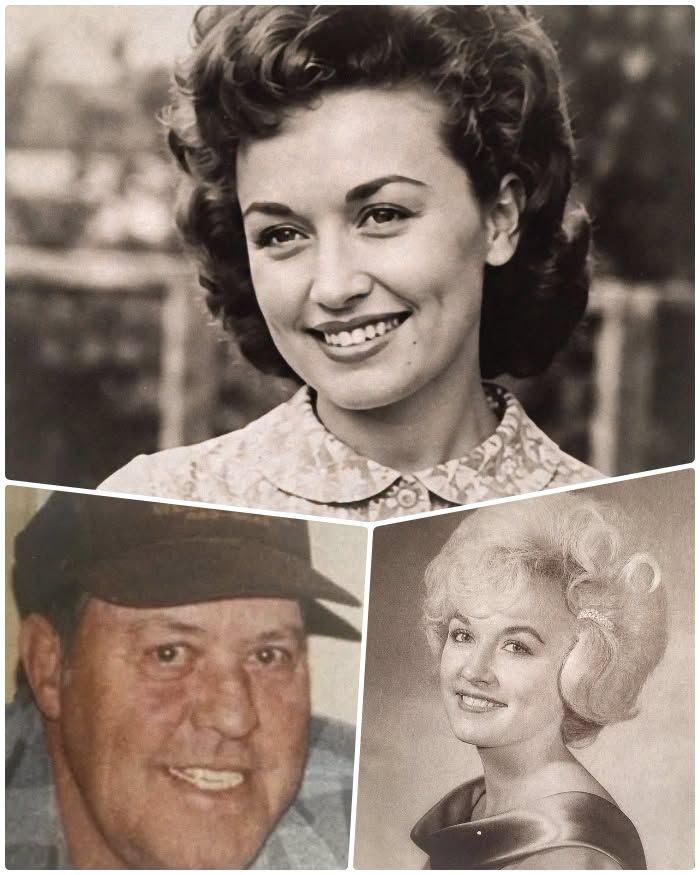
Before Dolly Parton became a familiar voice in homes far beyond Tennessee, she belonged to a family whose daily concerns were immediate and practical: food on the table, work to be done, and children to raise. Her older brother, Coy “Denver” Parton, came from that same mountain household. Their lives eventually followed different paths, yet placing their stories beside each other offers a thoughtful way to understand the values that give Dolly’s music its enduring warmth.
Dolly was the fourth of twelve children, born in Locust Ridge, Tennessee, into a family whose experiences would become an essential part of her songwriting. For listeners who grew up around farms, factories, building sites, or modest country homes, that background helps explain the familiarity of her voice. Even when the arrangements sparkle, her strongest stories often concern people who understand the cost of things because they have worked hard to afford them.
Denver’s working life gives that family history a particularly moving dimension. He spent years as a crane operator, helping build bridges, and was also remembered as a homestead farmer and an enthusiastic hunter. These are substantial details in their own right. Operating heavy machinery demands concentration, judgment, and responsibility; a bridge becomes part of a community’s everyday life long after its builders have finished their work. Denver’s contribution belonged to that practical world of skill and service.
The comparison with his sister invites reflection without requiring us to invent private conversations or imagine how either sibling measured the other’s achievements. A singer’s work can accompany a listener through grief, uncertainty, or a lonely evening. A bridge builder’s work makes an ordinary journey possible. Both forms of labor become woven into lives their creators may never fully know.
That is a fitting place to begin listening to “Coat of Many Colors,” Dolly’s beloved 1971 song. Drawing on a childhood experience, it tells of a homemade patchwork coat and the hurt caused by classmates who could see its humble materials but could not understand its meaning. The song’s emotional strength comes from the child’s recognition that her mother’s care has given the garment a value beyond its appearance.
Musically, the performance succeeds through clarity and restraint. Dolly allows the story to unfold at a conversational pace, giving each detail enough room to register. Her clear tone carries both vulnerability and conviction. The listener can hear the child’s wounded pride, while the adult storyteller supplies the perspective that makes the memory bearable. The result feels intimate, as though an old family recollection has been entrusted to the room.
For older listeners, “Coat of Many Colors” may call to mind something equally ordinary and irreplaceable: a mother’s sewing basket, a father’s work jacket, a repaired pair of shoes, or a kitchen where very little was wasted. Such memories give the song fresh meaning across generations. Its subject is specific, but the feeling is widely shared.
Knowing something of Denver Parton’s working life adds another dimension to that listening experience. It encourages us to consider the family world behind Dolly’s storytelling—a world where usefulness, patience, and skilled hands mattered every day. Her music preserves the emotional texture of that upbringing. Her brother’s bridge work offers a tangible expression of the labor that helped sustain communities like theirs.
Return to “Coat of Many Colors” with that thought in mind, and its quiet details may feel even richer. Beneath its familiar melody lies a lasting question: how much of what makes a life valuable can ever be measured from the outside?