Introduction
When Alan Jackson Changed the Song, He Made a Statement Nashville Couldn’t Ignore

There are moments in country music when a performance becomes something larger than entertainment. A familiar melody takes on a new meaning, and a singer’s decision tells us as much about his character as his voice ever could. For Alan Jackson, one of those moments came at the 1999 CMA Awards, when he used part of his own performance to honor George Jones. It was a simple gesture with a powerful implication: the artists who helped build country music still deserved to be heard.
The circumstances behind that appearance matter. George Jones had received a Single of the Year nomination for “Choices,” but producers, citing time constraints, asked him to perform an abbreviated version. Jones declined and stayed home. Jackson, who was scheduled to sing “Pop a Top,” responded by incorporating a chorus of “Choices” into his appearance. An account preserved on Jackson’s official website confirms the dispute and his musical response.
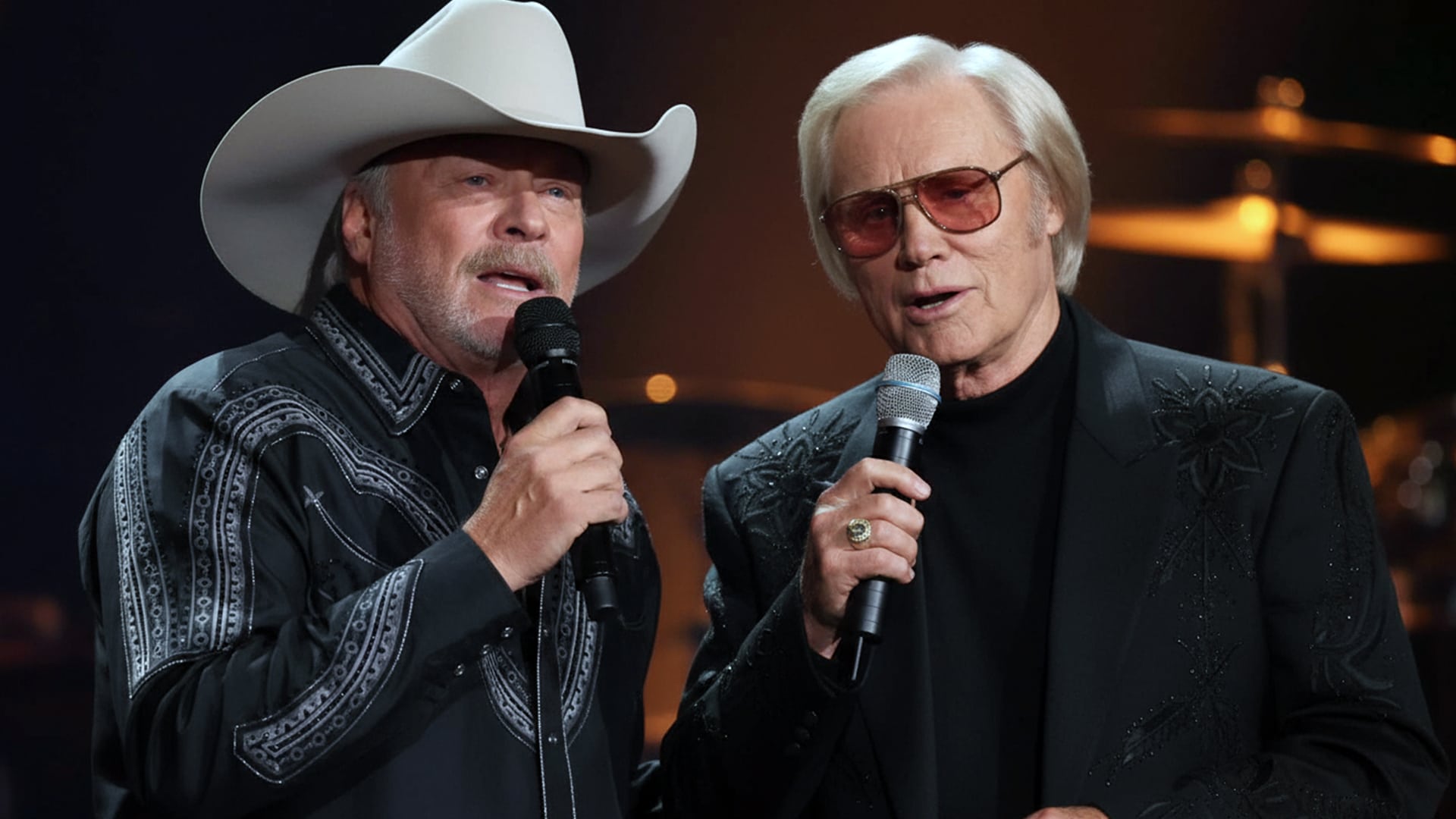
For listeners who grew up with traditional country music, the emotional significance is easy to understand. George Jones possessed an extraordinary ability to make a song feel lived rather than merely performed. His phrasing could suggest hesitation, regret, or hard-earned understanding without turning those emotions into a grand display. Listening to him often felt like hearing someone finally find the courage to tell the truth.
“Choices” belongs naturally within that tradition. Its central concern is personal responsibility: the recognition that the decisions we make remain part of our lives long after the moment has passed. Older listeners may find particular weight in that idea. With experience comes a deeper understanding of roads taken, opportunities missed, and the quiet work of accepting one’s own history. The song leaves room for that reflection.
That is what makes Jackson’s decision so compelling as a musical statement. The change from “Pop a Top” to “Choices” shifts the emotional atmosphere from easy familiarity toward sober consideration. In the context of the dispute, the borrowed chorus also becomes an act of recognition. Jackson gives the audience a reason to think about the man whose performance they are missing.
His own singing style makes the tribute especially fitting. Alan Jackson has a gift for letting a melody breathe. His clear delivery and measured phrasing keep attention on the feeling within the song. Here, those qualities give the gesture dignity. The music itself carries his objection, allowing listeners to understand the point without needing an extended explanation.
It is reasonable to interpret the moment as a defense of respect between generations. Every successful artist inherits something: a musical vocabulary, an audience’s trust, a standard of craftsmanship established by earlier performers. Jackson’s tribute acknowledges that inheritance in public. It suggests that honoring an influence should involve more than mentioning a name when an award is handed out.
For anyone returning to this performance today, the most rewarding approach is to listen closely to the transition. Hear how a change of song changes the meaning of the entire appearance. Alan Jackson’s tribute to George Jones endures because it joins artistic admiration with a concrete decision. For a brief moment on a major awards broadcast, he made room for a voice he believed deserved more room—and left country music with a memorable example of loyalty expressed through song.