Introduction
Ella Langley’s “Typical” Response: The Riley Green Remark That Has Country Fans Listening Again
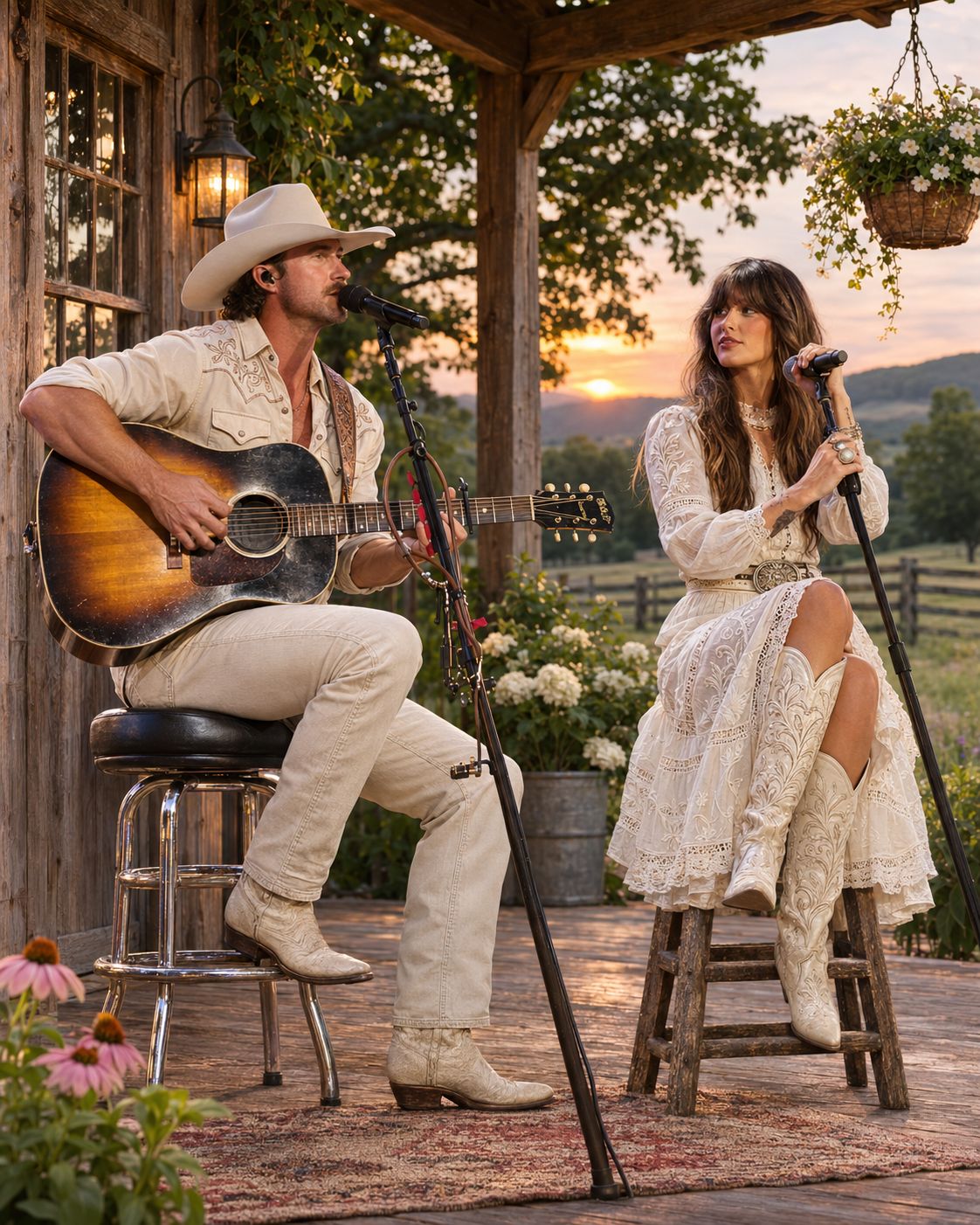
Sometimes, the most talked-about moment in country music arrives between the songs. A passing remark, a brief answer, and suddenly listeners begin reconsidering a partnership they thought they understood. That is the conversation now surrounding Ella Langley and Riley Green, whose musical collaborations have given fans plenty to admire—and whose recent comments have prompted a more complicated question: when two artists succeed together, how should that success be remembered?
The discussion began after Green mentioned Langley while recruiting contestants on The Voice. He recalled bringing her on tour and referred to her achievements with the understated observation, “She’s doing pretty well.” Some listeners heard affectionate humor in that description; others felt it gave too little recognition to an artist whose work deserves to stand on its own. Entertainment reports subsequently covered Langley’s response during an Instagram Live, when a fan asked whether she disliked the suggestion that Green had taken credit for her success. Her answer included the pointed words, “No, didn’t love that, but typical.”
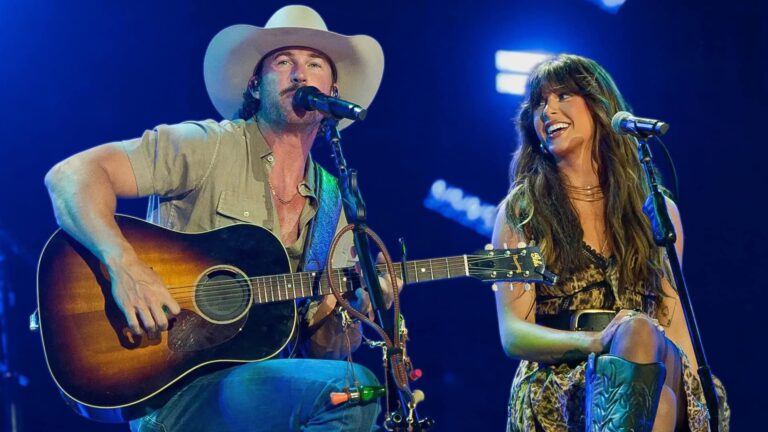
For longtime country listeners, the interest goes beyond a disagreement over wording. Country music has always placed great value on the people who offer an opening act a stage, recommend a songwriter, or invite another voice into a recording session. Those gestures matter. Yet audiences also recognize that an opportunity becomes a career through preparation, judgment, persistence, and the ability to make a song feel personal. The debate around Langley and Green touches that familiar balance between gratitude for a helping hand and respect for individual achievement.
Their recordings offer a useful place to begin. “You Look Like You Love Me” has the conversational appeal that makes a country duet inviting: two distinct personalities occupying the same musical story. Langley’s delivery brings character and assurance, while Green supplies a contrasting presence that helps the exchange unfold naturally. As a listening experience, its appeal rests on the contribution of both performers. Each gives the other something to answer, and the listener becomes involved in the conversation.
“Don’t Mind If I Do” provides another reason their voices have attracted attention together. There is an appealing tension when singers sound connected while retaining their own identities. Listeners who grew up appreciating classic country partnerships will understand that quality immediately. A memorable duet needs room for each performer’s phrasing, emotional weight, and sense of timing. The pleasure comes from hearing those differences meet.

That musical connection also helps explain why a few spoken words have generated such strong reactions. Fans become invested in partnerships that move them. They may hear warmth, disappointment, teasing, or resentment according to the expectations they already bring. Reporting on Langley’s response has acknowledged uncertainty about whether the exchange reflected genuine friction or familiar banter between former tourmates. That uncertainty deserves to remain part of the story.
What makes this moment worth examining is the question beneath the headlines: who gets to tell the story of an artist’s rise? For Langley, recognition involves the voice, work, and decisions that listeners associate with her name. For Green, recalling their touring history may have been a natural way to explain his experience with collaboration. A short exchange cannot fully reveal either person’s intentions.
As the conversation continues, their music gives listeners something more substantial to consider. Return to Ella Langley, Riley Green, and the songs themselves. Listen to the phrasing, the pauses, and the way one voice changes the meaning of the other. Whatever their comments ultimately meant, those recordings remain the clearest expression of what they created together.