Introduction
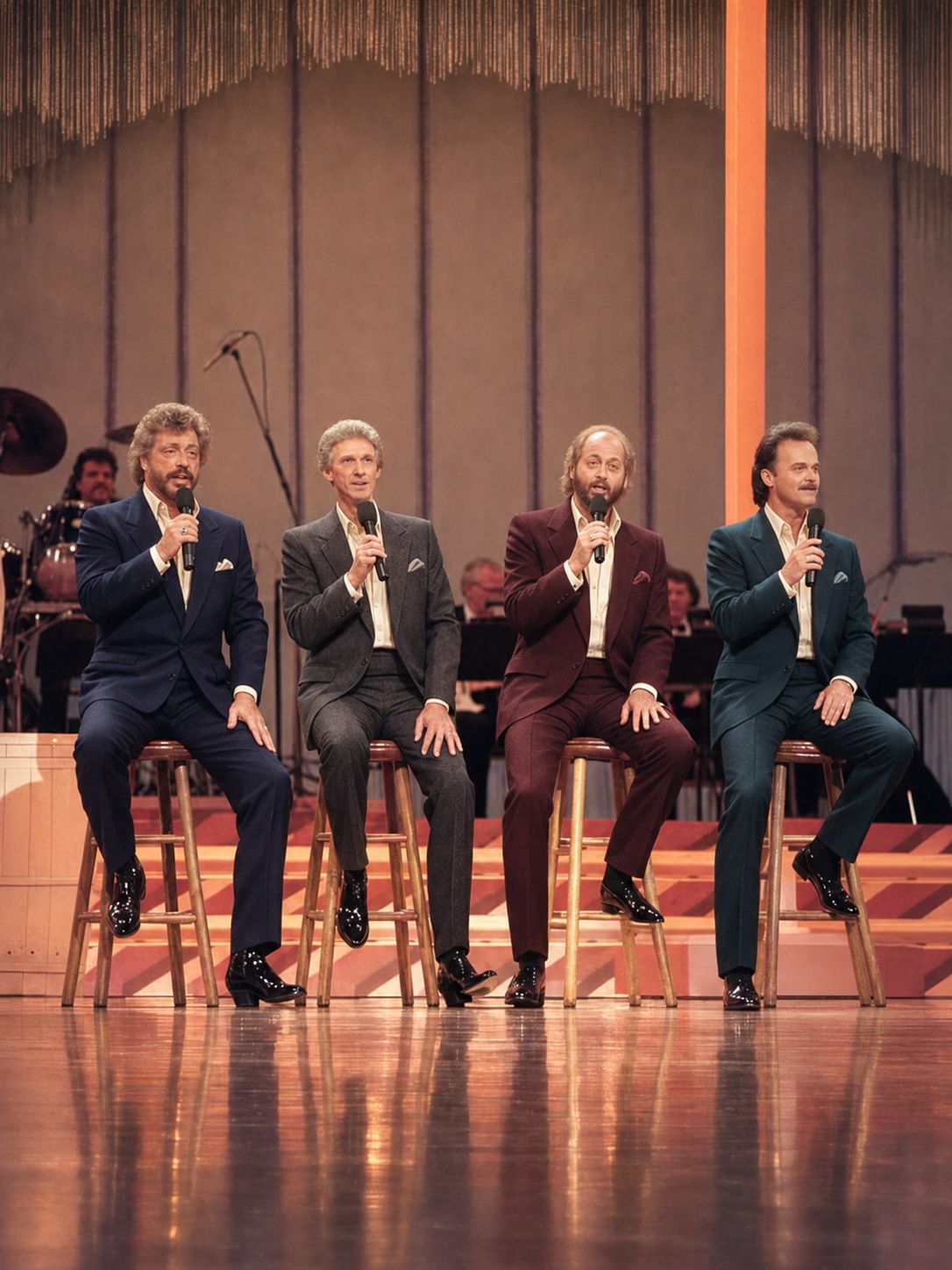
The Statler Brothers: Remembering the Voices We Lost—and the Harmony That Still Brings Us Home
Some voices become part of the way we remember our lives. They bring back Sunday afternoons, familiar faces around the supper table, and long drives with the radio playing softly beneath a conversation. For generations of listeners, the Statler Brothers provided that kind of companionship. Their harmonies carried warmth, their songs gave ordinary experiences dignity, and their humor made audiences feel as though they were spending an evening among old friends.
Looking back at their remarkable career invites a deeply personal question: what became of the men behind those unforgettable voices? Across the group’s two best-known lineups, five singers helped create the sound listeners still cherish: Don Reid, Harold Reid, Phil Balsley, Lew DeWitt, and Jimmy Fortune. Each brought a distinct musical personality, yet their greatest achievement was the extraordinary sense of belonging they created together.
Their musical roots explain much of that connection. Emerging from Staunton, Virginia, the Statlers drew on the close harmonies of gospel quartet singing and carried that tradition into country music. Their association with Johnny Cash, beginning in 1964, introduced them to a much wider audience. Even as their professional world expanded, their performances retained the friendly spirit of singers who understood the value of a familiar melody and a well-told story.

Listen closely to their recordings, and the craftsmanship becomes as moving as the memories. Don Reid’s lead singing gives the words a conversational ease. Harold Reid’s bass provides depth and character, while Phil Balsley’s baritone helps the individual parts settle into a beautifully balanced whole. Above them, the tenor brings brightness and lift. Their arrangements reward attention because every voice contributes something essential without overwhelming the song.
Remembering that blend also means honoring the members who have died. Lew DeWitt, their original tenor and the writer of “Flowers on the Wall,” died on August 15, 1990, aged 52. Harold Reid, whose unmistakable bass and comic timing delighted audiences for decades, died on April 24, 2020, aged 80. Their absence gives familiar recordings an added tenderness: a phrase, a low note, or a perfectly placed harmony can suddenly feel like a welcome visit from someone dearly missed.

The surviving members’ paths offer another meaningful chapter. Don Reid turned toward writing after the group’s retirement, preserving his gift for storytelling on the page. Phil Balsley stepped away from the demands of touring, while Jimmy Fortune developed a solo career. Fortune’s voice continues to reach audiences, with performances listed on the Mansion Theatre’s November 2026 schedule. These different paths reflect the individual lives behind a partnership listeners often experienced as one inseparable sound.
Fortune’s arrival in 1982 also demonstrated how gracefully the group could embrace change. His songwriting brought enduring favorites such as “Elizabeth,” “My Only Love,” and “Too Much on My Heart.” Those songs offered fresh emotional colors while preserving the sincerity audiences already trusted.
For longtime admirers, revisiting the Statler Brothers is an opportunity to hear both the music and the passing years with greater appreciation. Their songs still make room for faith, laughter, remembrance, and gratitude. As we remember the voices we have lost and follow the lives that continued beyond the farewell stage, we return to the quality that made this group so beloved: their remarkable ability to make a listener feel at home.