Introduction
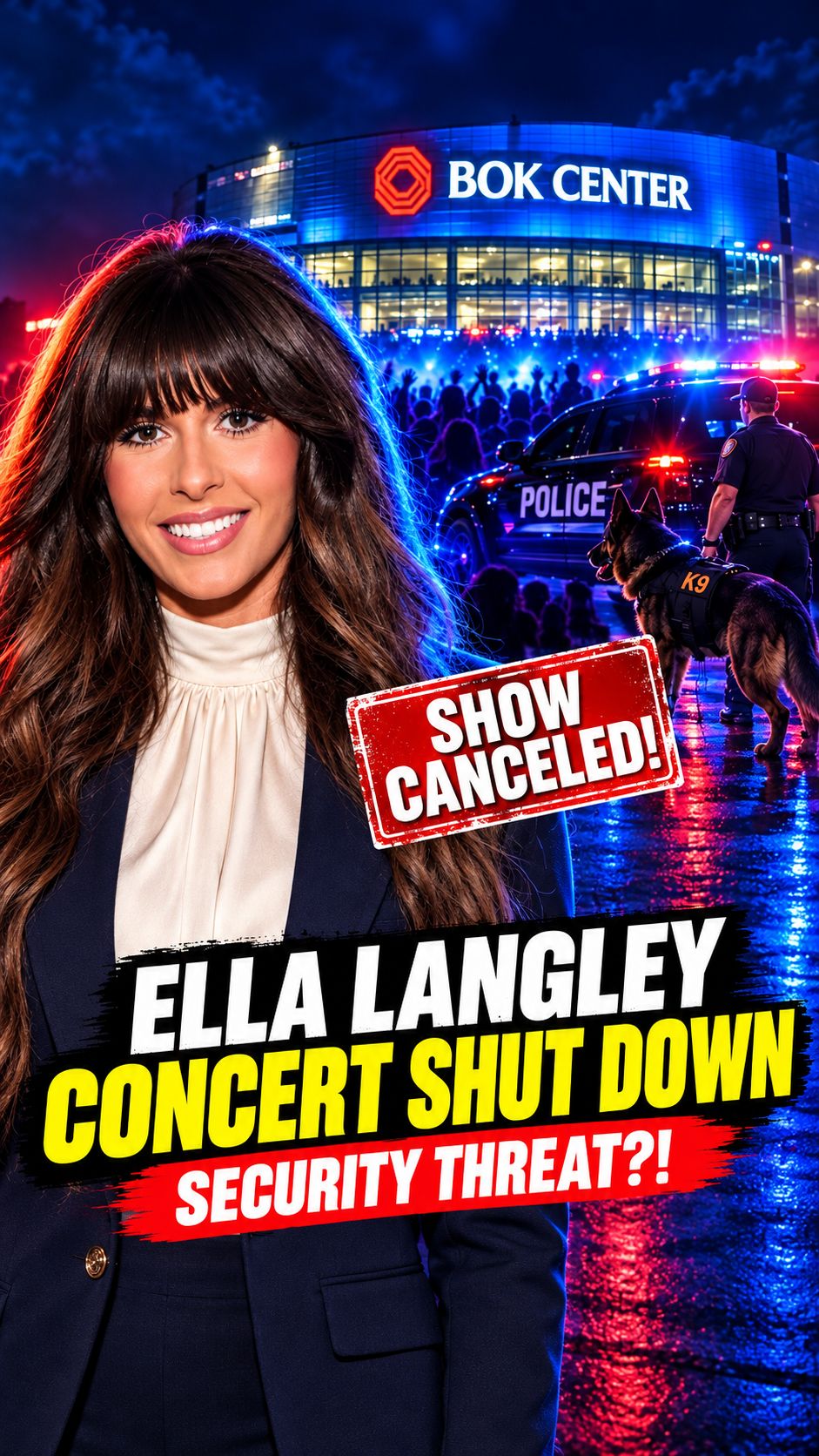
For country music fans, a concert often begins long before the first guitar chord. It begins with choosing a companion, arranging the journey, and anticipating an evening when familiar songs will become shared memories. That is what makes a last-minute cancellation so disappointing. On October 9, Ella Langley’s scheduled performance at Tulsa’s BOK Center was called off approximately two hours before showtime, after a reported security threat interrupted preparations for the evening. The venue announced that the concert could not proceed, placing the safety of those involved at the center of its explanation.
The cancellation came during a remarkable period of recognition for Langley. With nine nominations at the 2026 CMA Awards, she leads this year’s field, a distinction that reflects how prominently her work now figures in country music. Such recognition brings excitement, but it also gives each appearance added significance. For listeners hoping to see an artist at an important moment in her career, the Tulsa performance represented an opportunity to experience that momentum in person.
Yet the circumstances surrounding the cancellation require careful explanation. Langley said the decision was made with advice from local authorities, the venue, and her security team. Her accompanying message acknowledged the travel, expense, and planning that fans invest in attending a concert. She expressed regret while emphasizing that protecting the audience and those working at the event guided her decision. It was an explanation focused on responsibility during an uncertain situation.
Tulsa police offered a different account of their recommendation. According to the department, officers conducted security searches, including checks with bomb-detection dogs, and found no credible threat. Police said they believed the incident was likely a swatting call—a false report intended to provoke an emergency response—and stated that they did not advise canceling the concert. That distinction matters: the artist’s statement and the police explanation should both be represented accurately, without assuming that the difference proves misconduct or reveals anyone’s private reasoning.
For an audience, those differing explanations can leave an uncomfortable mixture of relief and frustration. Learning that searches uncovered no credible danger is reassuring. Understanding why the performance nevertheless could not proceed is a separate concern. Fans can respect caution while still wanting clear communication about a decision that affected their plans.
There is also a human dimension that deserves attention beyond the immediate headlines. Live country music depends on a relationship of trust. An artist asks people to give their time, make the journey, and gather around the songs. In return, audiences expect preparation, consideration, and honest information when circumstances change. A canceled evening tests that relationship, particularly when the announcement arrives so close to the expected opening.
For Tulsa ticket holders, the initial announcements left practical questions unresolved, with refund information promised afterward. Those early reports did not announce a replacement performance. kjrh.com The lasting importance of this episode lies in how those questions are answered. For fans who had hoped to spend the evening with Langley’s music, clear updates and thoughtful follow-through will matter as much as the explanation that first arrived two hours before the show.
For country music fans, a concert often begins long before the first guitar chord. It begins with choosing a companion, arranging the journey, and anticipating an evening when familiar songs will become shared memories. That is what makes a last-minute cancellation so disappointing. On October 9, Ella Langley’s scheduled performance at Tulsa’s BOK Center was called off approximately two hours before showtime, after a reported security threat interrupted preparations for the evening. The venue announced that the concert could not proceed, placing the safety of those involved at the center of its explanation.
The cancellation came during a remarkable period of recognition for Langley. With nine nominations at the 2026 CMA Awards, she leads this year’s field, a distinction that reflects how prominently her work now figures in country music. Such recognition brings excitement, but it also gives each appearance added significance. For listeners hoping to see an artist at an important moment in her career, the Tulsa performance represented an opportunity to experience that momentum in person.
Yet the circumstances surrounding the cancellation require careful explanation. Langley said the decision was made with advice from local authorities, the venue, and her security team. Her accompanying message acknowledged the travel, expense, and planning that fans invest in attending a concert. She expressed regret while emphasizing that protecting the audience and those working at the event guided her decision. It was an explanation focused on responsibility during an uncertain situation.
Tulsa police offered a different account of their recommendation. According to the department, officers conducted security searches, including checks with bomb-detection dogs, and found no credible threat. Police said they believed the incident was likely a swatting call—a false report intended to provoke an emergency response—and stated that they did not advise canceling the concert. That distinction matters: the artist’s statement and the police explanation should both be represented accurately, without assuming that the difference proves misconduct or reveals anyone’s private reasoning.
For an audience, those differing explanations can leave an uncomfortable mixture of relief and frustration. Learning that searches uncovered no credible danger is reassuring. Understanding why the performance nevertheless could not proceed is a separate concern. Fans can respect caution while still wanting clear communication about a decision that affected their plans.
There is also a human dimension that deserves attention beyond the immediate headlines. Live country music depends on a relationship of trust. An artist asks people to give their time, make the journey, and gather around the songs. In return, audiences expect preparation, consideration, and honest information when circumstances change. A canceled evening tests that relationship, particularly when the announcement arrives so close to the expected opening.
For Tulsa ticket holders, the initial announcements left practical questions unresolved, with refund information promised afterward. Those early reports did not announce a replacement performance. kjrh.com The lasting importance of this episode lies in how those questions are answered. For fans who had hoped to spend the evening with Langley’s music, clear updates and thoughtful follow-through will matter as much as the explanation that first arrived two hours before the show.