Introduction
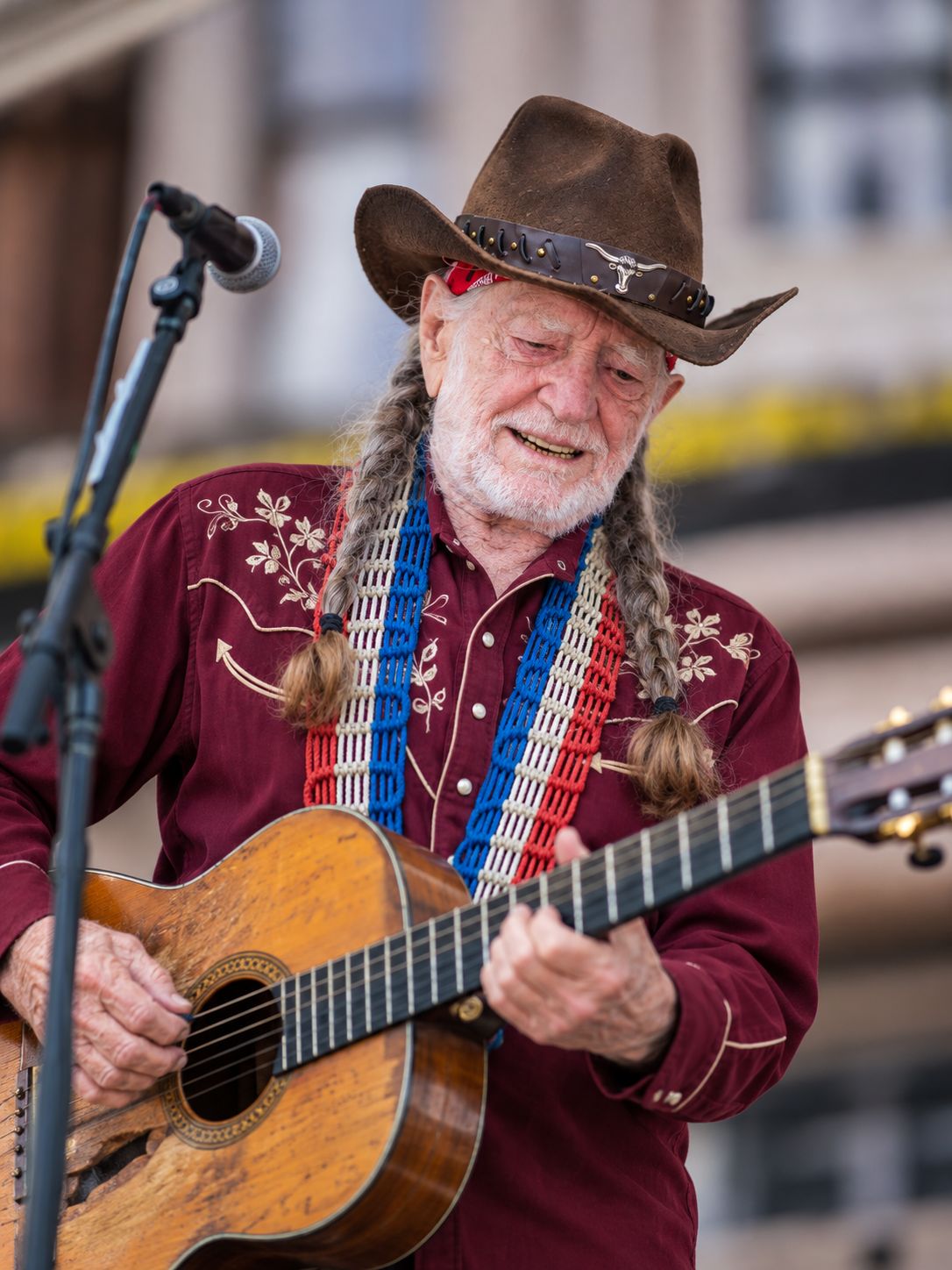
For generations of listeners, Willie Nelson’s voice has carried the sound of ordinary lives: the long journey home, the ache of remembering, and the comfort of knowing where you belong. There is something wonderfully familiar about his singing, as though an old friend has pulled up a chair and begun telling the truth. Now, at 93, the country legend is drawing attention with a message about the Texas community that helped shape him. In July 2026, Nelson publicly opposed data center development near Abbott, Texas, where he grew up and still maintains a home.
His statement began with an image more memorable than any angry slogan: a home surrounded by working land, beneath a sky where the stars remain visible. That small detail explains much of the emotion behind his words. For Nelson, the countryside is a living place, inhabited by neighbors whose livelihoods and memories deserve consideration. His appeal raised concerns about water, noise, artificial light, and the future of farmland, placing the experience of rural residents at the heart of the discussion.
The specific claim that his statement targeted an 800-acre data center could not be independently confirmed. Reporting available on his remarks says Nelson did not identify a particular development, although several projects had been proposed around Abbott. That distinction matters: his documented message was a broader defense of rural communities and their resources. chron.com
For anyone who has followed his career, this concern has deep roots. In 1985, Nelson joined Neil Young and John Mellencamp to organize the first Farm Aid concert, raising awareness of families losing their farms and collecting funds to help them remain on the land. More than four decades later, that commitment gives his words a history beyond the immediate headlines. The farmer has long had a place in Willie Nelson’s understanding of America. f
There is a meaningful connection here to his music. Nelson’s gift has always been his ability to give an individual experience room to breathe. His relaxed phrasing invites us to listen closely; his weathered voice allows tenderness and resolve to occupy the same line. Heard against that musical background, his defense of home feels consistent with the qualities listeners have treasured for years: independence, compassion, and loyalty to one’s roots.
Older readers may recognize the feeling immediately. A familiar road, an open field, or a quiet evening outside can hold decades of personal history. Changes to those places reach beyond a property boundary. They affect how people imagine their remaining years and what they hope their children will inherit. Nelson’s statement brings that human dimension into a discussion often dominated by investment figures and technological ambition.
His position also invites questions that deserve careful answers: how a proposed facility would obtain water, what nearby households would experience, and how residents would participate in decisions affecting their community. His objections express his convictions; assessing any particular project still requires its plans and local evidence.
What gives Willie Nelson’s stand its emotional force is the enduring bond between a celebrated artist and the place he calls home. After a lifetime of songs about distance, memory, and belonging, he is asking people to consider what makes a community worth protecting. For listeners who have grown older alongside his music, that message carries a familiar strength—the quiet determination of a man who still remembers where his story began.