Introduction
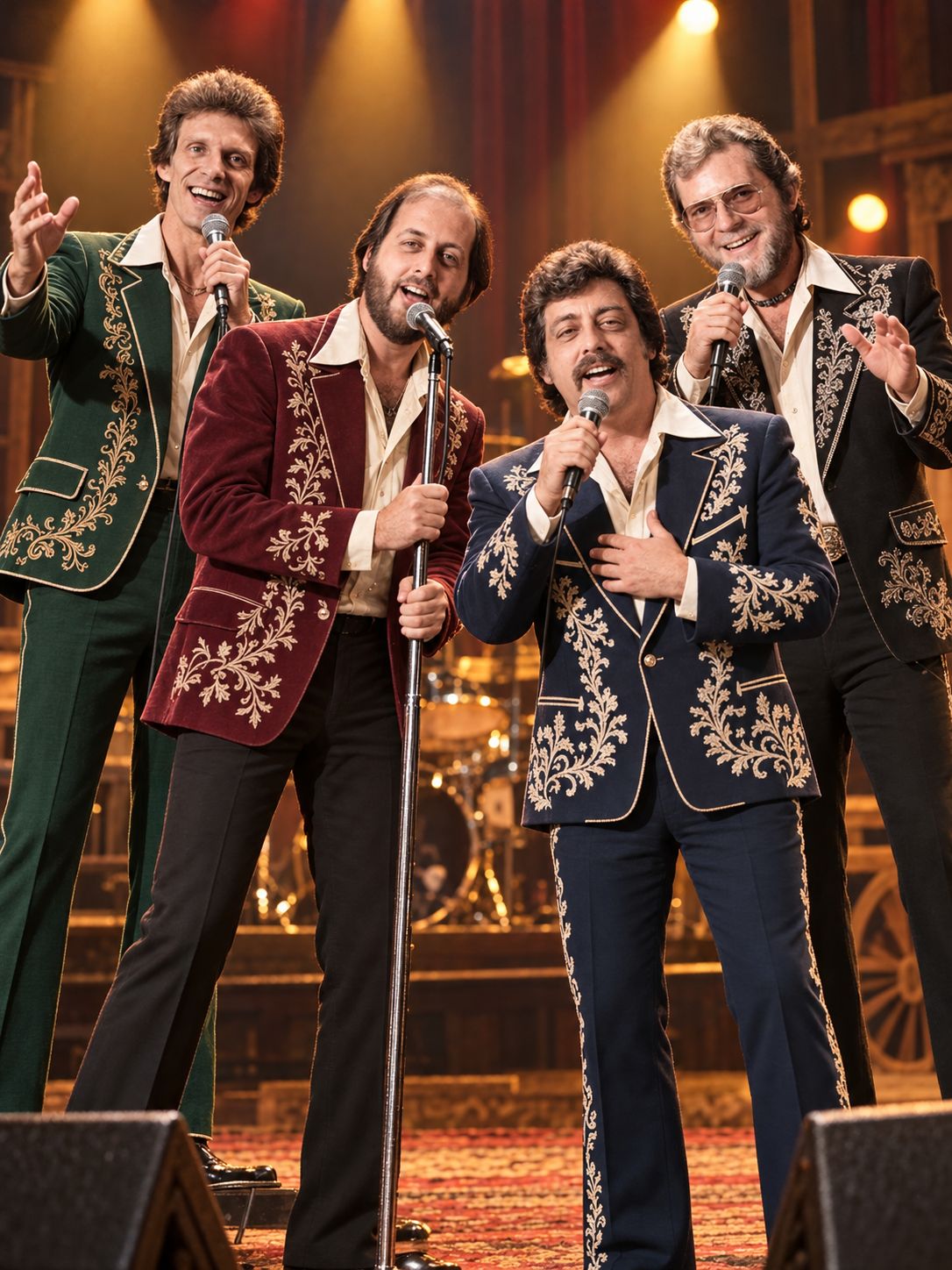
Sometimes a familiar name can bring back an entire childhood: the neighborhood theater, the anticipation before the picture began, and the reassuring sight of a cowboy riding across an open landscape. The Statler Brothers’ “Whatever Happened to Randolph Scott” captures that feeling with warmth, humor, and a question that reaches well beyond the movies. What becomes of the world we grew up trusting when the faces that represented it gradually disappear?
Included on the group’s 1973 album, “Carry Me Back,” the song belongs to a tradition of country music that treats everyday memories as something worth preserving. The Statler Brothers understood how a reference to an old screen favorite could unlock feelings that a more elaborate statement might never reach. Here, the name Randolph Scott becomes a doorway into a remembered world of Western heroes and dependable endings.
The song’s appeal begins with its conversational spirit. It sounds like a discussion between old friends who have stayed at the kitchen table long after the coffee has cooled. There is amusement in the question, but also a trace of bewilderment. Entertainment has changed, familiar heroes have stepped aside, and the narrator wonders whether something valuable has gone with them. Many older listeners will recognize that experience immediately: looking at the present and realizing how much of yesterday once felt permanent.
The Statler Brothers’ vocal harmonies give that reflection its welcoming character. Their voices create a sense of company, allowing the listener to share the sentiment without feeling lectured. The musical delivery keeps the song moving with an easy confidence, while the recurring question gives its nostalgia a memorable center. There is affection in the performance, and that affection makes the observation more persuasive than anger ever could.
At its heart, “Whatever Happened to Randolph Scott” concerns the qualities audiences associate with their heroes. The remembered cowboy stands for courage, loyalty, restraint, and the willingness to keep a promise when doing so becomes difficult. Whether those old films were ever as simple as memory makes them seem is another question. What matters emotionally is the reassurance they offered—and the lasting place that reassurance holds in the listener’s life.
That distinction gives the song depth. Nostalgia often preserves how an experience felt more clearly than every detail of what actually happened. A Western watched decades ago may remain inseparable from a father’s company, a Saturday afternoon, or a home where familiar voices still filled the rooms. Heard that way, the title’s question carries a quieter one beneath it: where did those days go, and why do they still feel so close?
For listeners returning to this recording, its pleasure lies in that mixture of good humor and recognition. The Statler Brothers give an ordinary moment of remembering a shape that others can share. The song invites us to smile at our attachment to yesterday while respecting the reasons for it. Long after the final harmony fades, Randolph Scott remains more than a name from the screen. He represents the familiar figure we once expected to see riding into view—and the comfort of believing he would always arrive.