Introduction

There was always something in Merle Haggard’s voice that suggested the story had begun long before the microphone was switched on. A little weariness, a little defiance, and an extraordinary understanding of disappointment could turn an ordinary country song into something deeply personal. For listeners who have lived through difficult decisions of their own, that quality remains his most powerful attraction.
His reputation for having a wild side was rooted in a troubled history he acknowledged during his lifetime. Haggard’s official biography documents youthful run-ins with the law, imprisonment, gambling, and the restless temperament that later found expression in his songwriting. These experiences became part of the emotional foundation of his work, giving his portraits of damaged pride and hard-earned understanding their particular weight.
Yet approaching Haggard only through his reputation misses what makes the music so compelling. Plenty of performers can sound rebellious. Far fewer can make rebellion sound lonely.
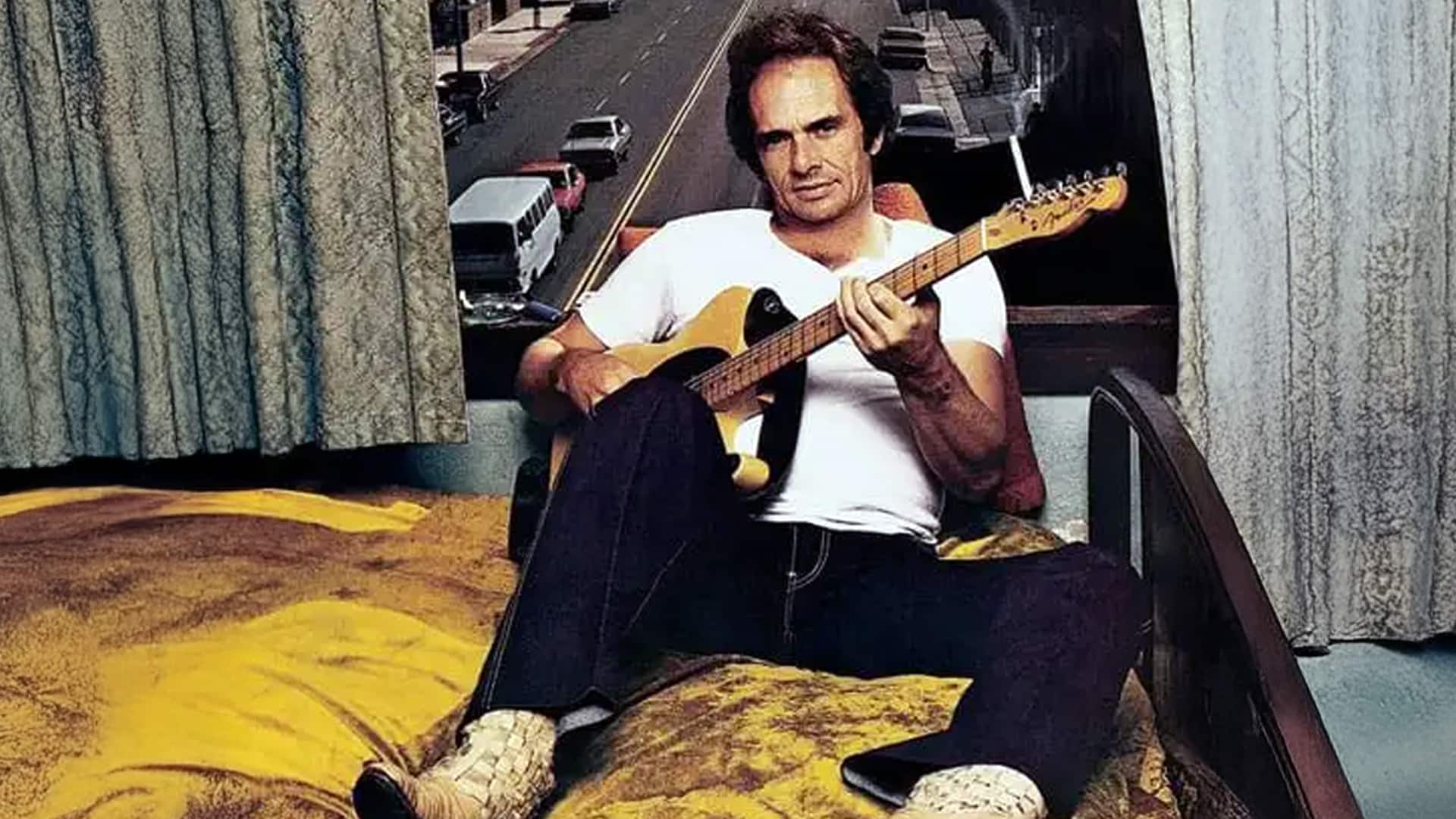
Listen to “Mama Tried.” Beneath its brisk movement lies a painful admission: a mother’s devotion cannot always prevent her child from making destructive choices. The narrator accepts responsibility, and Haggard delivers that acceptance with remarkable economy. He does not need a grand vocal gesture. The plainness of his delivery allows the listener to feel the distance between good intentions and their consequences.
That restraint is central to his artistry. Haggard understood how much feeling a conversational phrase could carry. He could place a slight ache inside a word, ease behind the rhythm, or leave a line almost untouched, trusting its meaning to reach the audience. His singing invites attention without demanding it.
In “The Bottle Let Me Down,” the familiar promise of temporary relief becomes another disappointment. My reading of the performance is that its greatest strength lies in the tension between the lively accompaniment and the narrator’s emotional defeat. The band keeps moving; the hurt stays where it is. That contrast gives the recording a recognizably human quality.
The family perspective adds another dimension. At the 2017 dedication of Haggard’s restored childhood boxcar home, his widow, Theresa Haggard, spoke emotionally of feeling his presence beside her. Her documented remarks offer a tender glimpse of remembrance, rather than a sensational disclosure about his past.
For an audience returning to these recordings after many years, the most rewarding question may be how their meaning has changed. A song that once sounded like defiance can begin to sound like confession. A familiar refrain can reveal an admission we were too young, or too hurried, to notice.
That is why Merle Haggard’s legacy continues to reward careful listening. His records leave room for contradiction: pride beside remorse, stubbornness beside tenderness, and humor beside disappointment. He gave those feelings clear language and a voice that never seemed far removed from ordinary conversation.
The wild reputation may draw a listener toward the story. The music offers the deeper reason to stay: an unusually perceptive account of what people carry, what they regret, and how they keep going.