Introduction
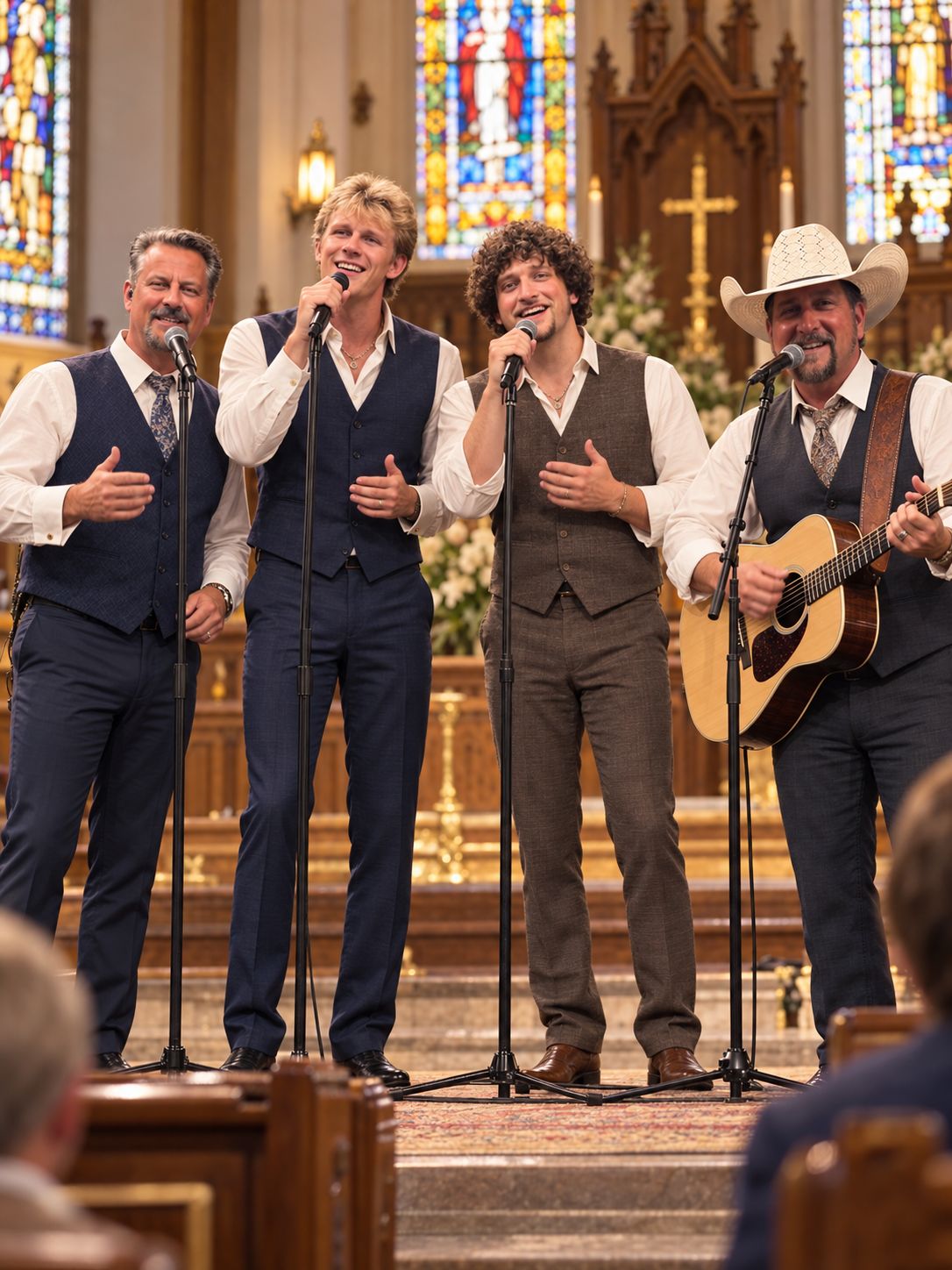
A famous name can make an audience turn its head. Making that audience listen is another matter entirely. For Wilson Fairchild, that distinction gives their story its emotional pull. Before a note is sung, there is already a history in the room: familiar voices, cherished records, and memories of The Statler Brothers that listeners have carried through much of their lives.
Wil Reid and Langdon Reid, the sons of Harold Reid and Don Reid, respectively, formed the musical partnership originally known as Grandstaff, later becoming Wilson Fairchild. Their family connection places them within one of country music’s most recognizable musical traditions. It also creates the central question through which their work can be understood: how does an artist honor an extraordinary inheritance while developing an identity of his own?
For longtime country listeners, that question deserves more consideration than the easy phrase “following in their fathers’ footsteps.” Footsteps suggest a clearly marked road. A musical career requires decisions at every turn: how to phrase a line, where to place a harmony, when to let humor brighten a performance, and when to allow a simple lyric its full emotional weight. Family history can offer an education. The performance still has to earn its meaning.
That is where the appeal of Wilson Fairchild becomes especially interesting. Their music invites listeners to consider the difference between resemblance and expression. A familiar vocal quality may awaken affection, but affection alone cannot sustain attention. What matters is whether two singers sound engaged with each other and with the story they are telling. Harmony becomes compelling when it feels like a conversation—each voice contributing something the other could not provide alone.
The phrase “sons of country royalty” captures the attraction of their background, although it cannot fully explain their artistic worth. Country music has always valued the ordinary human experience beneath a celebrated name. Its strongest performances make room for uncertainty, gratitude, disappointment, and the quiet determination to keep going. Those qualities offer a more useful way to approach Wilson Fairchild than expecting them to reproduce another generation’s achievements.
There is also a particular challenge for an audience that loves the past. We sometimes ask the children of admired performers to bring back the feeling we had when we first heard their parents. That expectation says something about our attachment to the original music. It can also make it harder to hear what the next generation is offering.
Listening generously means allowing Wil and Langdon Reid to be musicians in the present. Their connection to The Statler Brothers’ legacy supplies context, but each song deserves to be heard on its own terms. Does the melody hold our attention? Does the delivery feel sincere? Do the voices serve the words? These are the questions that turn an introduction based on ancestry into a lasting interest in the artists themselves.
The most compelling reading of their journey, then, concerns artistic identity rather than an imagined backstage feud or an undocumented private struggle. The tension is already meaningful: preserving something beloved while making room for a personal contribution.
For older listeners who understand how deeply music becomes woven into family life, that idea carries considerable warmth. Wilson Fairchild offers an opportunity to hear continuity taking shape—to recognize an inheritance while remaining curious about the men carrying it forward. Their fathers’ names may begin the conversation. What Wil and Langdon do with their own voices is what makes it worth continuing.