Introduction
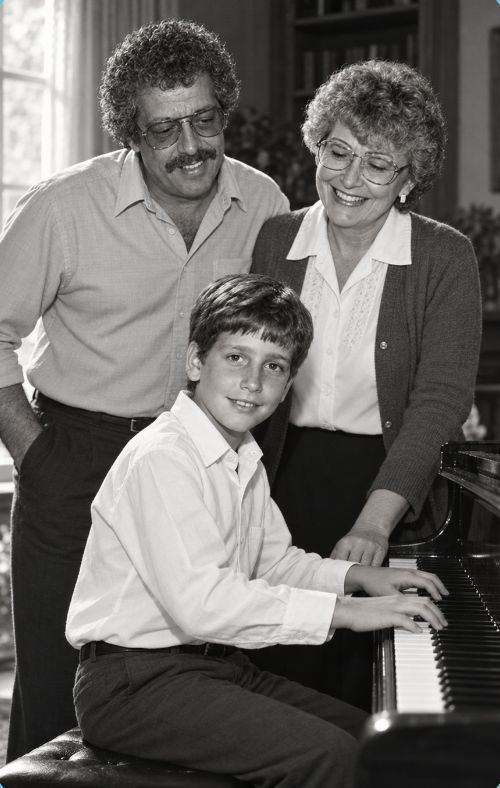
Some songs grow more meaningful as we grow older. We return to them after a reunion, after losing an old friend, or after finding a photograph that makes fifty years feel like yesterday. “The Class of ’57,” written by Harold Reid and Don Reid and recorded by The Statler Brothers, belongs to that rare company. Its portrait of classmates following different paths invites a question that becomes more personal with age: What happened to the lives we once imagined for ourselves?
The song’s strength lies in its patience. Names and circumstances pass through the verses with the plainness of conversation between people who have known each other for years. There is no need for a lengthy introduction to every character. A job, a marriage, or a disappointment gives us enough to picture someone we might remember from our own school days. Listening becomes an act of recognition.
For older listeners, that feeling can be especially powerful. We know how much a brief update can leave unsaid. Someone became a teacher, someone moved away, someone’s plans changed. Behind each sentence might stand decades of effort, compromise, happiness, and private sorrow. The Statler Brothers’ harmonies give those small accounts room to breathe, allowing affection and regret to occupy the same musical space.
Then comes a detail that draws the story closer to Harold himself: Brenda. She was his wife, a relationship acknowledged directly by Don Reid in his remembrance of his brother. Hearing her name within the song gives listeners a personal connection to consider amid its broader portrait of passing time. The familiar voice belonged to a man with a family and a life beyond the performance.
That connection is moving without requiring an invented revelation. We do not need to imagine private conversations or describe moments no public account can establish. The name itself is enough. Within a song concerned with where people ended up, it offers a point of emotional stillness—a reminder that a shared life can carry meaning far beyond anything an audience sees.
Harold Reid’s bass voice makes that feeling particularly memorable. Its depth gives the performance a reassuring foundation, while the conversational delivery keeps the storytelling close and human. He sounds like someone recalling familiar people across a kitchen table. The effect encourages us to listen with sympathy, even when the lives described have taken difficult turns.

Don’s tribute adds another dimension to that voice. He remembered Harold as a man whose humor rested on a sincere commitment to his beliefs and whose promises mattered. His account presents the character of a beloved brother alongside the entertainer audiences knew.
Listen again to “The Class of ’57,” and its names may bring your own remembered faces into view. Brenda’s name may also linger differently now, connecting the recording to a real marriage. That is one of music’s quiet gifts: a passing detail can deepen with the years, until a song we thought we knew opens a door we had never quite noticed.