Introduction
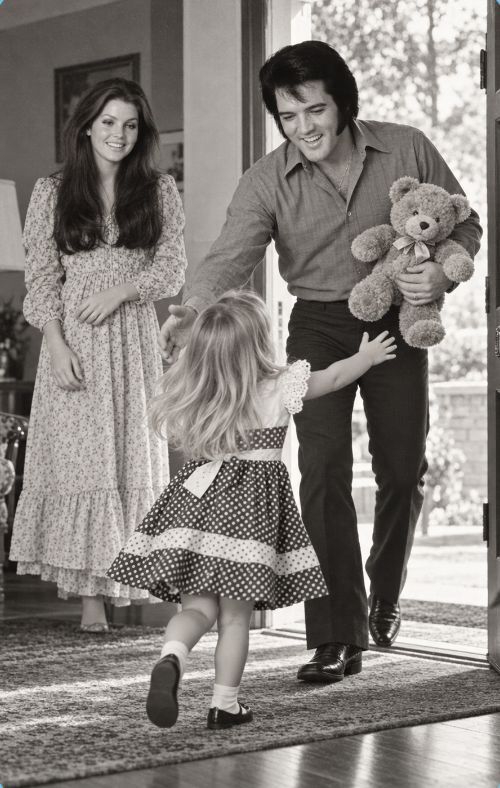
For those who first heard Elvis Presley through a car radio, a cherished record player, or a television appearance that brought the family into the living room, his voice remains inseparable from memory. It carries youth, possibility, and the unmistakable excitement of an artist who could make a familiar song feel newly discovered. Yet Priscilla Presley’s recollections invite us to consider a question that the records alone cannot answer: what was life like beside the man whose presence seemed to fill every room?
Her perspective matters because she encountered Elvis beyond the carefully selected photographs and the applause. In her memoir Elvis and Me, later adapted into Sofia Coppola’s film Priscilla, the story is told through the experience of someone whose private life unfolded within the extraordinary circumstances of his fame. That perspective brings affection into the same frame as isolation, emotional difficulty, and questions of personal independence.
For a music listener, this is delicate territory. We may feel that we know a singer because his performances have accompanied our lives for decades. A tender phrase can sound like a personal confidence; a weary note can seem to reveal an entire history. But the emotional truth of a performance does not give us complete knowledge of the person delivering it. Priscilla’s memories ask us to listen with that distinction in mind.
The television incident mentioned in the account raises particular curiosity. Stories about Elvis firing at television sets have circulated for years, and his father, Vernon Presley, acknowledged such behavior in a published interview. However, that acknowledgment does not establish the specific claim that Priscilla refused to identify the person appearing on the screen. Without the original interview or recording, that detail should remain unconfirmed.
Even without a concealed name, the episode is unsettling. A firearm discharged at a television is dangerous behavior, and celebrity should not turn it into a harmless joke. Nor can a single incident explain an entire personality. The challenge is to acknowledge disturbing conduct while resisting the temptation to make it the only thing worth remembering.
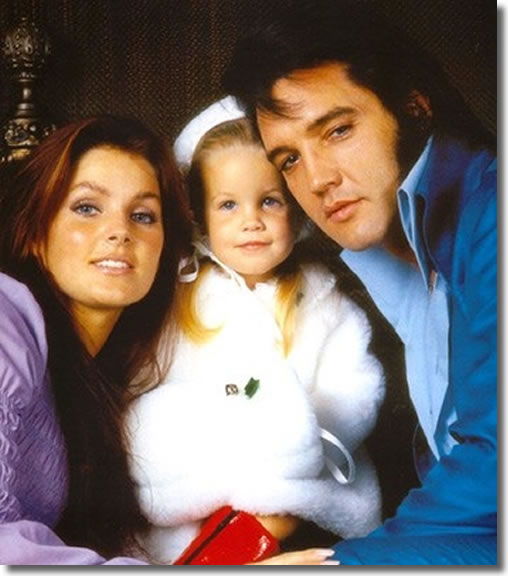
That same care enriches our appreciation of Elvis’s musical legacy. His ability to move between forceful rhythmic singing and remarkable tenderness remains compelling. Listen to the restraint of “Can’t Help Falling in Love,” or the emotional reach of “If I Can Dream.” These performances offer different kinds of intensity: one draws the listener closer through gentleness, while the other reaches outward with urgency. Neither requires a sensational private story to retain its power.
For older listeners especially, Priscilla’s perspective may resonate because experience teaches us that affection and disappointment can occupy the same memory. Someone can remain important to us while our understanding of that person grows more complicated.
Perhaps that is the most absorbing reason to revisit Priscilla’s memories of Elvis. Beyond the mystery of a television screen lies a larger, more human subject: the distance between being adored by millions and being understood by those closest to you. His voice still invites us to listen. Her perspective reminds us to listen thoughtfully.