Introduction
Some country duets catch your attention for a few minutes. Others make you pause, turn up the volume, and remember what drew you to country music in the first place. Riley Green and Ella Langley belong in that second conversation. Together, their voices offer something familiar yet fresh: storytelling with room to breathe, personalities that remain distinct, and an emotional connection that does not require a grand production to be heard.

The phrase “Riley Green Has Something To Say About Ella Langley” may suggest a dramatic revelation. But one of the most revealing things Green has said about Langley concerns her singing. In a September 2024 interview with Holler about “Don’t Mind If I Do,” he explained that he initially brought her into the studio to record a reference vocal. After hearing her contribution, he felt she was the right person for the finished recording. That account offers a concrete glimpse of his appreciation for her musical ability.
Listen to the song, and it becomes easy to understand that decision. Green brings a grounded, conversational quality to his delivery. He sounds comfortable letting a phrase settle without decorating every syllable. Langley adds an expressive edge, giving the exchange a sense of uncertainty and emotional weight. To my ear, their effectiveness comes from the differences between them: each voice gives the other something to answer.
For listeners who grew up with country music’s great duet traditions, that exchange carries a particular pleasure. A memorable duet needs more than two accomplished singers. It needs perspective. We should feel that each person has arrived with a separate history, even when both are singing about the same memory. “Don’t Mind If I Do” invites that kind of listening, allowing regret and longing to unfold through the performance.
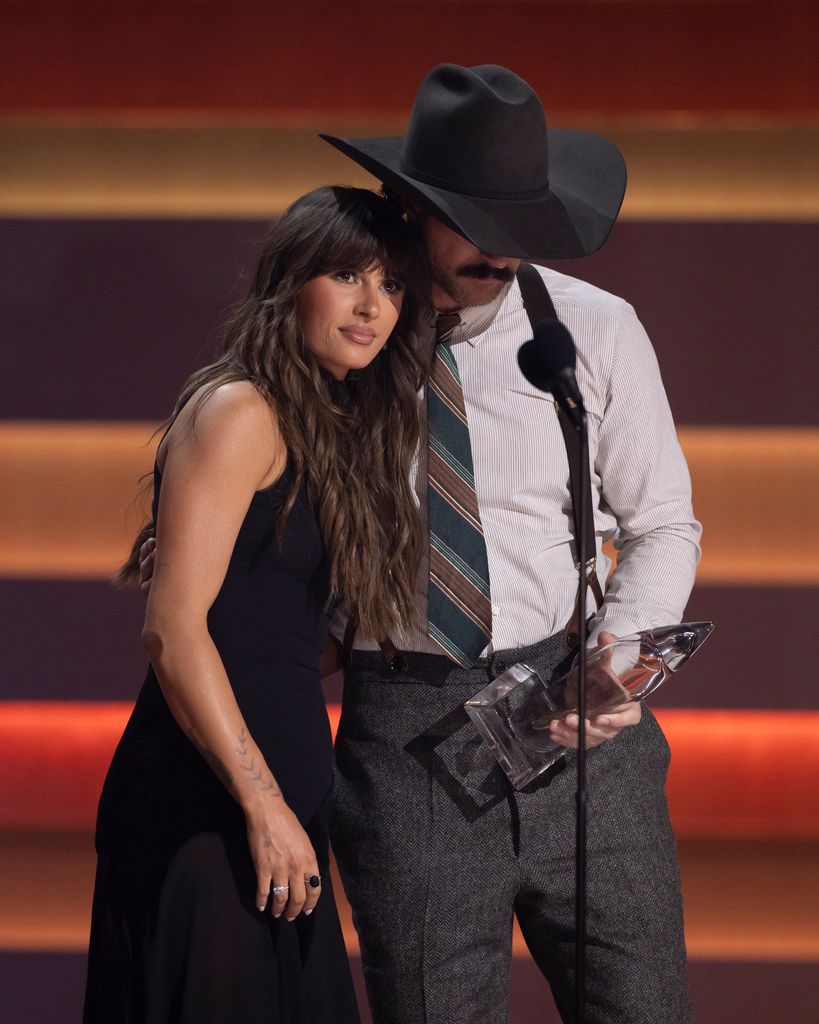
Their earlier collaboration, “You Look Like You Love Me,” offers a different mood. Its spoken passages and easygoing delivery give the recording the feel of a story being told across a table. The song leaves space for humor, character, and timing—qualities that can be every bit as compelling as a powerful sustained note. Langley’s opening establishes a confident personality, while Green’s entrance changes the angle of the scene. The pleasure lies in hearing those two perspectives meet.
There is also a useful distinction between appreciating that musical connection and assuming it explains their private lives. A convincing performance allows listeners to believe in the characters inside a song. It does not, by itself, tell us what happens away from the microphone. Their recordings deserve attention for the craft we can actually hear: phrasing, restraint, vocal contrast, and the ability to make a familiar situation feel personal.
That is what makes Green’s account of choosing Langley for “Don’t Mind If I Do” so interesting. A temporary studio contribution became part of the finished song because the voice served the material. For anyone who values country music as an art of communication, that is a meaningful endorsement.
Riley Green and Ella Langley give listeners a reason to return to these songs with fresh ears. Beneath the attention surrounding their names, there is a quieter pleasure waiting: two distinctive voices, a carefully shaped story, and the moment when a duet begins to sound like a conversation you want to hear all the way through.