Introduction
Some songs carry us back to a particular year. Others seem to bring the best of that year forward, allowing each new generation to discover their charm for itself. “Don’t Be Cruel” by Elvis Presley belongs comfortably in the second category. With its easy rhythm, memorable melody, and wonderfully assured vocal performance, this 1950s classic remains a reminder that a recording does not need to be elaborate to leave a lasting impression.
Released in 1956, the song captures Elvis at a remarkable point in his early career, when his distinctive approach was helping reshape the sound of popular music. Written by Otis Blackwell, “Don’t Be Cruel” gives him a simple emotional situation: a young man wants reassurance from someone he loves. There is uncertainty in that request, but Elvis delivers it with enough warmth and rhythmic confidence to ke
ep the performance buoyant. The result feels personal without becoming heavy.
Listen closely to his phrasing, and the recording’s enduring appeal becomes easier to understand. Elvis Presley has an extraordinary ability to make a carefully structured melody sound conversational. He eases into certain words, gives others a playful emphasis, and allows small pauses to become part of the musical expression. His voice moves naturally between confidence and vulnerability. We hear someone trying to keep his composure while admitting that another person’s affection matters deeply.

The accompaniment is equally important. The steady beat and concise instrumental touches create a sense of forward motion without crowding the singer. Meanwhile, the backing harmonies of the Jordanaires add polish and a reassuring warmth. Their presence helps establish the recording’s familiar character: light on its feet, neatly balanced, and immediately welcoming. Every element serves the song, and the arrangement leaves room for the listener to enjoy the details.
For those who remember hearing “Don’t Be Cruel” on a radio, a jukebox, or a well-loved record player, its opening can summon a whole collection of ordinary yet precious memories. Perhaps it recalls an afternoon with friends, a family kitchen filled with music, or the excitement of discovering a singer whose voice sounded different from anyone else’s. Such associations deepen over time, giving a short recording a surprisingly generous place in a listener’s life.
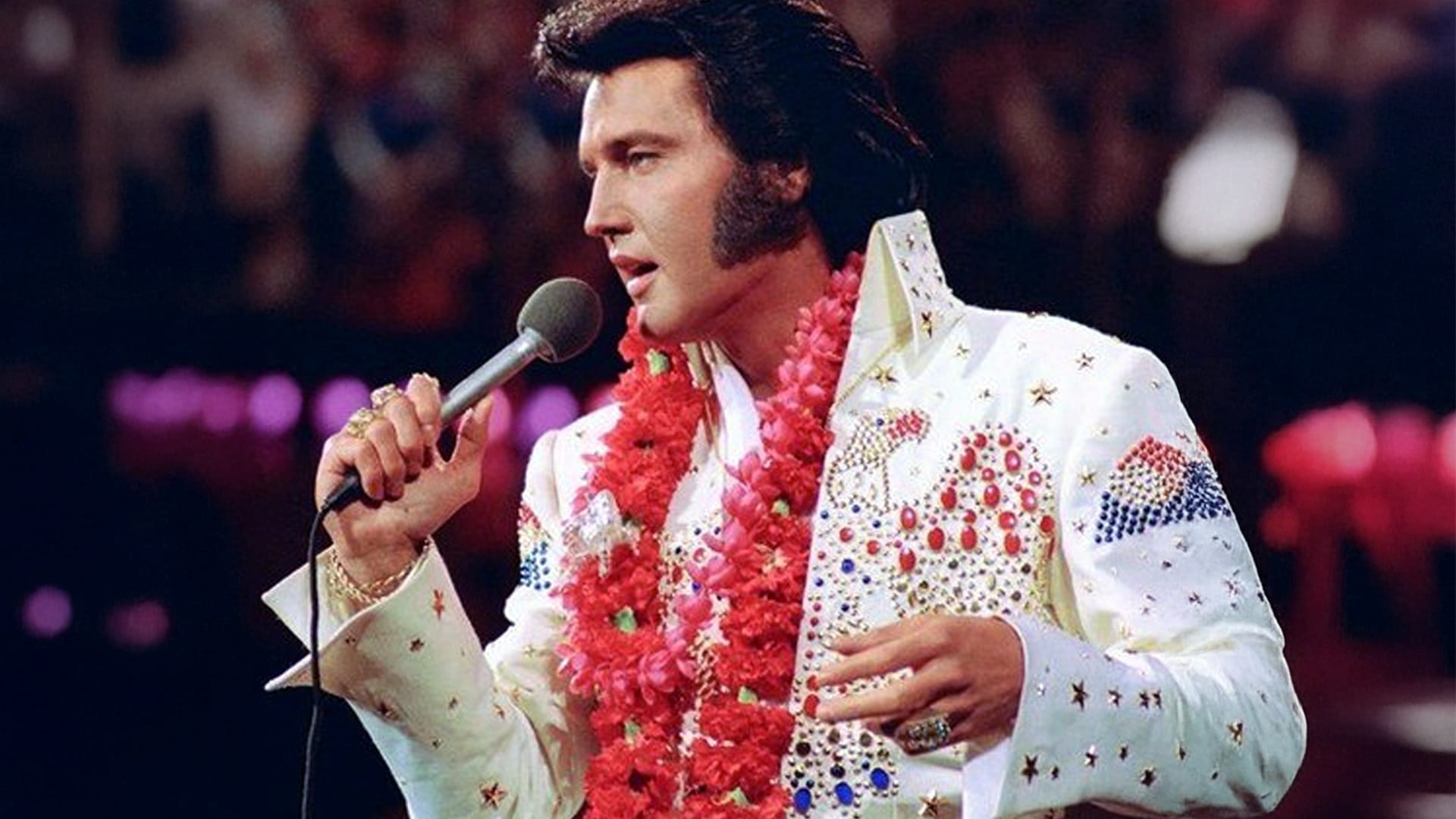
Yet nostalgia alone cannot explain why the song continues to connect. Even without those personal memories, its musical craftsmanship is apparent. The melody is inviting, the rhythm feels effortless, and the performance never loses its focus. Elvis understands how to hold attention through subtle changes in tone rather than constant displays of vocal power. That restraint makes the moments of emphasis especially satisfying.
There is also something enduringly recognizable about the song’s central feeling. Wanting kindness, hoping for a reply, and wondering whether affection is returned are experiences that remain familiar across generations. “Don’t Be Cruel – Elvis Presley” expresses those feelings with directness and good humor, allowing listeners to recognize themselves in the music.
That is why this 1950s classic never gets old. Beneath its bright surface lies a performance full of care, personality, and emotional understanding. Press play, and Elvis still makes a simple plea feel fresh, sincere, and impossible to resist.