Introduction
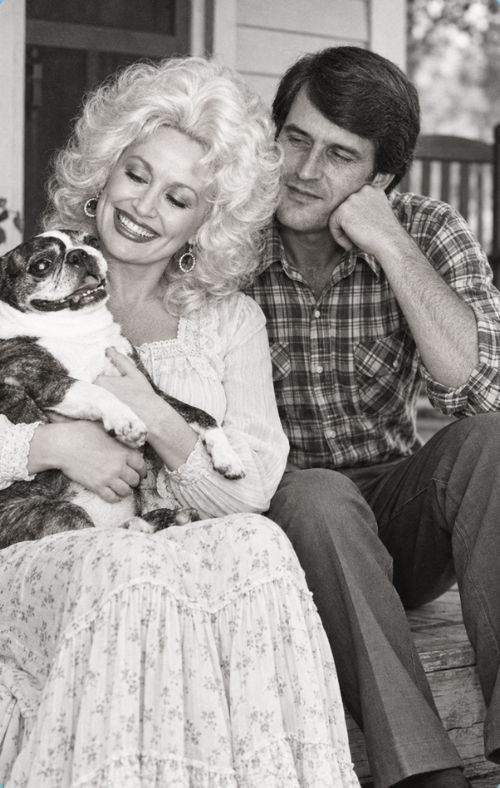
Dolly Parton & Carl Dean: A Love That Never Ends is a story best understood through the music it inspired. Behind a voice recognized around the world stood a man who preferred a private life, far from the applause. Their relationship gives “If You Hadn’t Been There” its emotional weight: a song of gratitude for the person whose steady presence helped make an extraordinary life possible.
Their beginning was wonderfully ordinary. In 1964, eighteen-year-old Dolly Parton met Carl Dean outside Nashville’s Wishy Washy Laundromat on her first day in the city. She had arrived with musical ambitions and laundry to do. Two years later, on May 30, 1966, they married in a small church ceremony in Ringgold, Georgia, with Dolly’s mother among the few people present. They renewed their vows on their fiftieth anniversary in 2016.
There is something deeply reassuring about that beginning. Listeners who have lived through long marriages know how often the most consequential moments arrive without ceremony. A conversation, an introduction, a decision to meet again—only afterward do we understand that an entire future was taking shape.
As Dolly’s career grew, Carl maintained his preference for privacy. His absence from public events became a familiar part of their story, while Dolly spoke about his support and their shared life away from work. Their marriage allowed two very different temperaments room to breathe.
That history makes “If You Hadn’t Been There” especially moving. Released in March 2025 following Carl’s death on March 3, the song honors the husband with whom Dolly had shared more than fifty-eight years of marriage. The Dolly Parton Discography Its title expresses a thought that many people carry for decades before finding the words to say it: the life we built depended, in countless ways, on someone who stood beside us.
As a piece of songwriting, the title’s simplicity is its strength. It invites the listener to consider an alternative life, one without that familiar source of encouragement. The emotional force comes from recognizing how much would have been different. Success, confidence, endurance, even the courage to begin again can owe something to another person’s faith in us.
Dolly has always had a gift for making personal feeling accessible. Her best songs leave enough space for listeners to bring their own memories. Here, the expression of thanks can belong to anyone who remembers a spouse offering reassurance after a difficult day, or quietly making room for a dream that demanded sacrifice.
For older listeners especially, the song’s meaning reaches beyond romance. It speaks to the accumulated work of companionship: learning another person’s habits, accepting differences, sharing disappointments, and continuing to care through changing circumstances. After many years together, affection becomes woven into daily life. Its importance may be felt most sharply when those familiar routines are interrupted.
The enduring appeal of Dolly Parton and Carl Dean’s story lies in that recognition. We can admire the celebrated artist while also understanding the value of the private relationship behind her achievements. “If You Hadn’t Been There” gives that relationship a musical expression, turning gratitude into something listeners can carry into their own lives.
When the song ends, its title remains—a few plain words that may prompt us to think of someone we have never thanked quite enough.