Introduction
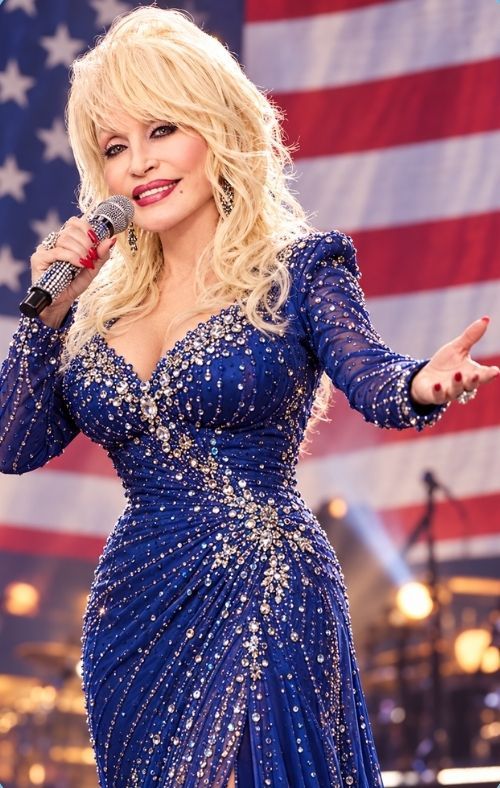
Some songs remind us where we came from. Others ask whether the values we cherish are large enough to embrace the people we love. Dolly Parton’s “Family” does both. Beneath its familiar title lies a thoughtful message about belonging—one that becomes especially moving when we consider how easily people can feel unwelcome in the very places meant to shelter them.
Dolly Parton earned a remarkable place in music history, with appearances on Billboard’s Hot Country Songs chart across seven decades, a milestone recognized by Guinness World Records. Yet chart longevity tells only part of her story. For many listeners, her enduring importance also rests in the warmth she extended beyond the boundaries people sometimes draw around country music.
Raised in poverty in East Tennessee as the fourth of twelve children, Parton understood family as something lived at close quarters: shared responsibilities, competing personalities, difficult days, and affection that had to make room for imperfection. Her mountain upbringing provided more than memorable material for songs. It gave her a language through which ordinary listeners could recognize their own lives.

That background helps explain the emotional strength of “Family,” a song included on her 1991 album “Eagle When She Flies.” Its message explicitly includes gay relatives alongside people with different beliefs and personal struggles. The song presents acceptance as an obligation of kinship, extending belonging to relatives whose lives others might misunderstand or criticize.
As songwriting, this is quietly effective. Parton takes a word almost everyone understands and asks us to consider its practical meaning. What does family require when someone disappoints us, surprises us, or follows a path we would never choose? Is affection dependable only when everyone agrees? These questions give the song its weight. Its emotional appeal comes from the recognition that every household contains differences, and every generation must decide how generously to respond.
For older listeners, that idea may carry particular resonance. With time, we often discover that the people we love cannot be fitted neatly into our expectations. Children grow into independent adults. Familiar certainties become more complicated. A song such as “Family” offers room to reflect on those changes with patience and tenderness.

Parton’s public support for her gay fans was consistent with this musical outlook. Her approach joined personal faith with a reluctance to condemn others, making acceptance feel like an everyday responsibility rather than an abstract argument. Her statements about inclusion reached people who had sometimes experienced rejection from their own communities.
When asked in a 2023 interview about Tennessee’s restrictions affecting transgender people, she expressed her central principle simply: “I just want everybody to be treated good.” Those words are plain, but their simplicity is part of their force. They give listeners something concrete to carry into their own conversations and relationships.
Ultimately, “Family” deserves attention because it brings a generous idea into a familiar setting. There is no need for a grand speech when the question is whether someone still has a place at the table. Parton understood how to make that question personal. Her song invites us to listen with the same care we hope to receive—and to remember that belonging becomes most meaningful when it survives our differences.