Introduction
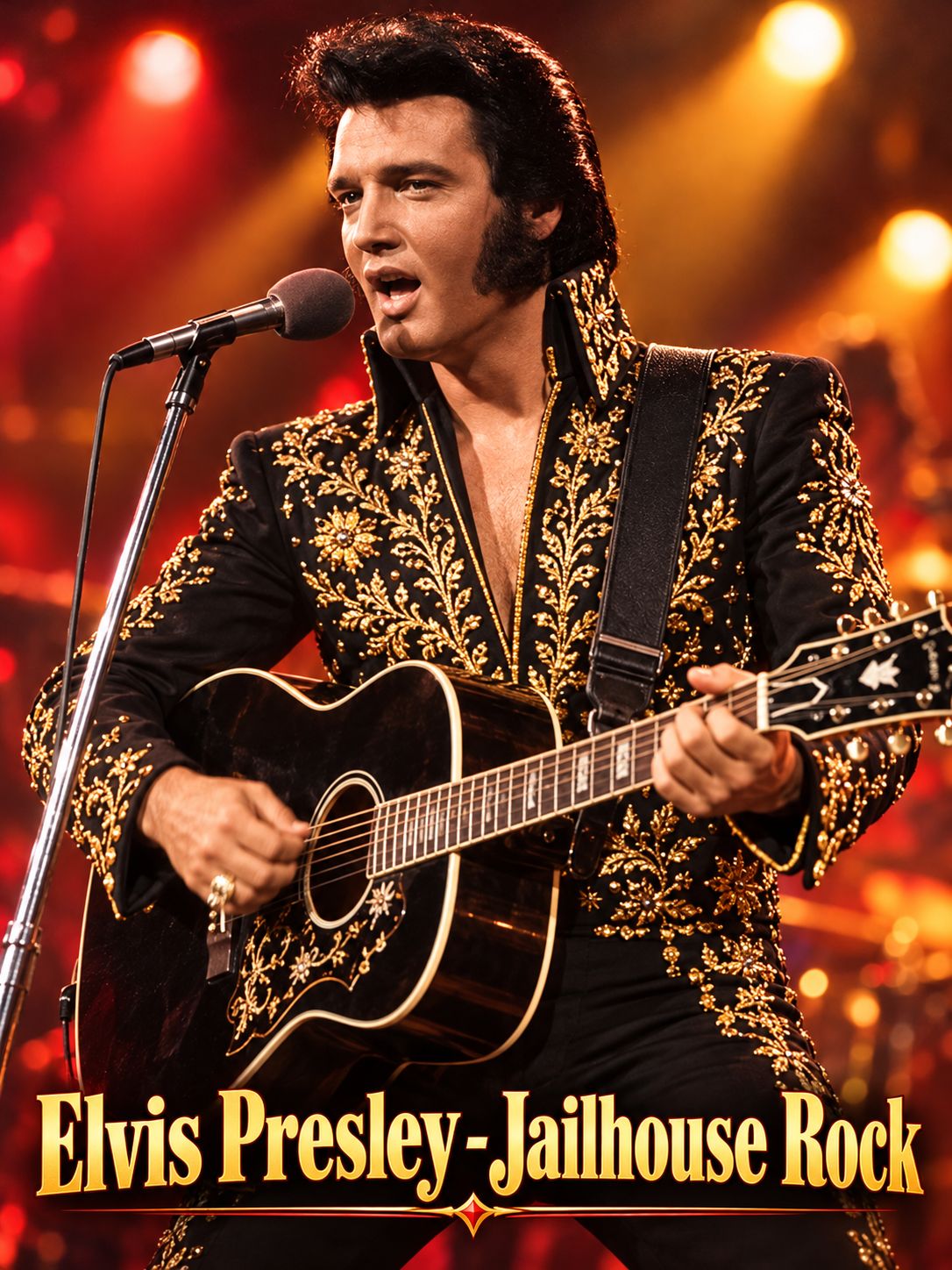
Some records invite us gently into their world. Elvis Presley’s “Jailhouse Rock” announces itself with a sharp musical jolt, then carries us forward before we have time to settle into our chairs. There is something wonderfully immediate about it: the punch of the opening, the driving rhythm, and a voice that sounds completely at home in the excitement. For listeners who remember discovering Elvis on the radio, that sound may bring back an entire room, a familiar face, or the feeling of being young enough to believe that everything was about to change.
Written by Jerry Leiber and Mike Stoller, “Jailhouse Rock” was recorded by Elvis Presley on April 30, 1957, at Radio Recorders in Hollywood. Those details place it firmly within an extraordinary period of his early career, but the recording itself never feels confined to a date. Its musical personality remains vivid: brisk, playful, and delivered with remarkable assurance.
At the center of that personality is Elvis’s vocal performance. Listen to how he attacks the beginnings of phrases, gives certain words a rough edge, and then moves quickly into the next line. He understands that a lively song needs more than volume. It needs timing, contrast, and the impression that the singer is enjoying every turn. His delivery has all three. Even when the rhythm presses ahead, his phrasing remains clear enough to give the song’s humorous storytelling room to breathe.
The instrumental arrangement contributes just as much to the excitement. The firm beat provides a steady foundation, while the guitar brings bright, cutting accents that keep the sound alert. There is little sense of wasted space. Each musical gesture serves the forward motion, and the short instrumental passages sustain the energy established by the voice. The recording’s economy is part of its strength: it makes its impression quickly, yet offers enough detail to reward another listen.
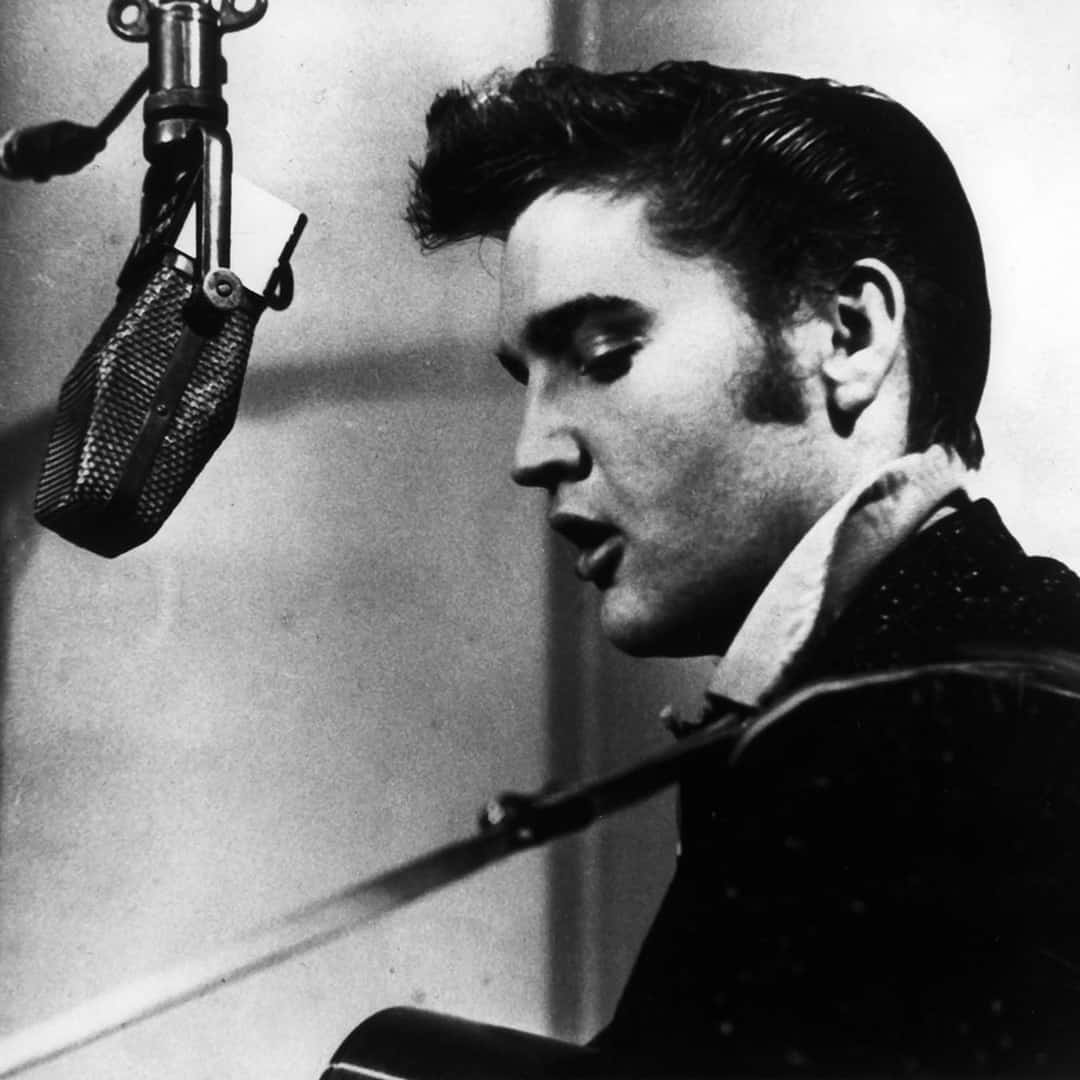
The song also benefits from its playful imagination. Its prison setting becomes the backdrop for an improbable musical gathering, with everyday restrictions swept aside by the sheer momentum of the performance. Approached in that spirit, the story feels like a lively comic scene. Elvis brings conviction to its exaggeration without making the delivery heavy or labored.
For older listeners, “Jailhouse Rock” can carry the warmth of recognition. Yet familiarity need not dull our appreciation. Returning to a record after many years sometimes allows us to hear the craft more clearly: the discipline beneath the excitement, the precision beneath the apparent ease. Elvis makes an energetic performance sound spontaneous, although its impact depends on carefully judged musical choices.
That is a rewarding way to approach Elvis Presley – “Jailhouse Rock” today. Let the memories arrive, but give the music your attention as well. Notice the opening accents, the interplay between voice and rhythm, and the confidence with which each phrase lands. Decades later, the recording still offers the simple pleasure of hearing a gifted singer fully engaged with a song—and making that engagement impossible to resist.