Introduction
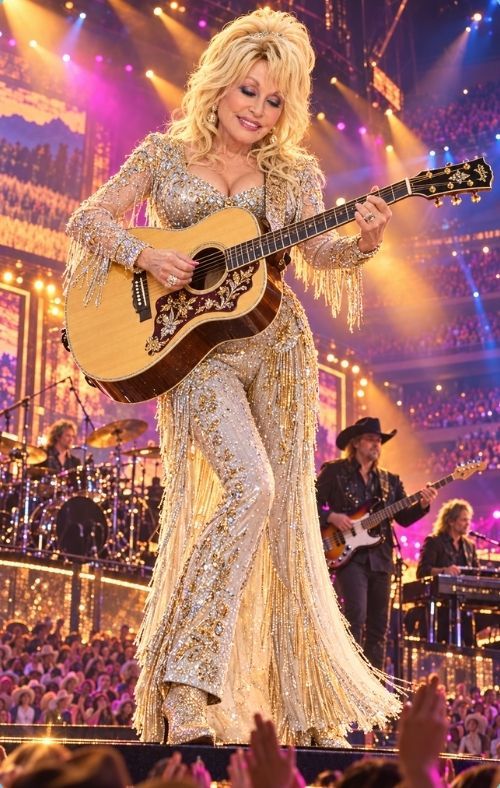
Some songs announce themselves with a grand entrance. Others need only a few notes to bring an entire room to attention. Dolly Parton’s “Jolene” belongs to that second, rarer category. Its restless guitar pattern creates an immediate sense of unease, and before the listener has time to settle comfortably, a woman’s voice begins asking for something she cannot command. What follows is one of country music’s most compelling portraits of vulnerability, built with extraordinary economy and emotional precision.
At the heart of “Jolene” is a situation that needs little explanation: a woman fears losing someone she loves to another woman. Yet the song’s enduring appeal comes from the way Dolly Parton approaches that fear. Her narrator does not threaten, accuse, or pretend to be stronger than she feels. Instead, she speaks directly to the person she believes holds her happiness in her hands. That choice gives the song its remarkable intimacy. We seem to be overhearing a conversation that was never meant for an audience.
For listeners who have lived through the uncertainties of marriage, family, and long companionship, this emotional honesty carries particular weight. With age, we often come to understand that love does not remove insecurity. Even a cherished relationship can leave room for doubt, especially when we begin comparing ourselves with someone else. “Jolene” captures that uncomfortable human habit without turning its narrator into an object of pity. There is dignity in her willingness to acknowledge what frightens her, even as the song reveals how deeply that fear has unsettled her.
The musical arrangement makes the drama more powerful. The recurring guitar figure moves with a steady urgency, suggesting thoughts that cannot be put to rest. Rather than surrounding the voice with overwhelming instrumental flourishes, the recording allows the plea to remain at the center. The accompaniment keeps moving, while the singer seems caught in a single emotional moment. That tension between musical momentum and emotional helplessness is essential to the song’s hold on the listener.

Then there is Parton’s vocal performance. Her clear, distinctive tone carries both resolve and fragility. She does not need to force every phrase into a dramatic climax; the feeling emerges through the directness of her delivery. Repeating Jolene’s name becomes more than a memorable chorus. It sounds like an attempt to reach another person, to make an appeal strong enough to change what might happen next.
Perhaps the song’s most intriguing quality is how little we actually know about its title character. Jolene is described through the narrator’s anxious admiration, but she never speaks. We cannot know whether she intends to interfere, whether the danger is real, or whether fear has magnified her influence. This unanswered space invites listeners to bring their own experiences to the story.
That is why Dolly Parton’s “Jolene” continues to feel so immediate. Beneath its familiar melody lies a question that reaches well beyond romantic uncertainty: what do we do when something precious feels beyond our control? Parton gives that question a voice—plainspoken, wounded, and brave enough to ask. Long after the final notes fade, it is that voice we remember.