Introduction
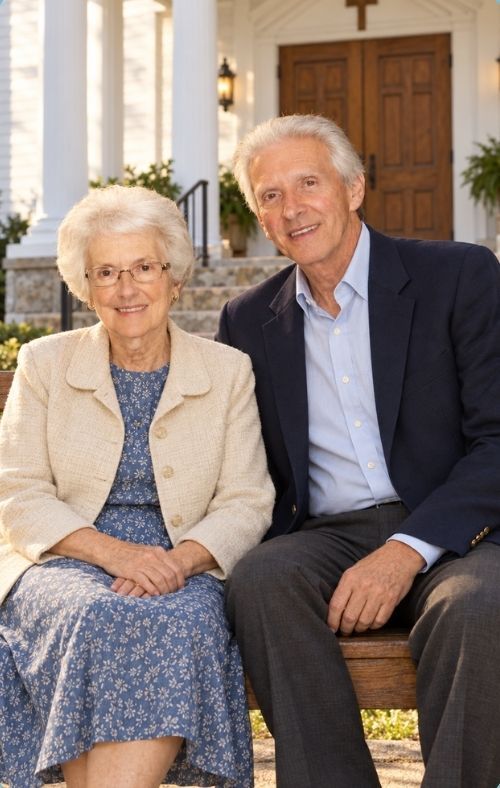
NO SCANDAL. NO DIVORCE. NO HOLLYWOOD DRAMA. Those words express the quiet devotion at the heart of this remembrance, although no headline can fully account for a private marriage. For listeners who have carried The Statler Brothers through decades of their own lives, Phil Balsley’s story invites a more thoughtful question: what remains when the applause fades, and the person with whom you shared your life is gone?
On December 28, 2014, three days after Christmas, Wilma Lee Balsley, Phil’s wife, died at Augusta Health in Virginia. She was 73. The date gives this story its heartbreaking weight: a season associated with family gatherings became the setting for a permanent absence. Her obituary records the loss plainly, without theatrical language, and that simplicity makes it especially moving.
To appreciate Phil’s place in country music, listen closely to the space between a melody and its supporting voices. His baritone helped give the Statlers’ harmonies their familiar warmth and balance. A harmony singer must know when to enter, how much sound to offer, and how to serve the whole arrangement. Phil’s contribution rewards that kind of attentive listening: the ear may follow the lead, but the heart responds to the blend.
There is a natural connection between that musical restraint and the subject of this remembrance. Songs about home, memory, faith, and enduring affection often gain meaning as listeners grow older. What once sounded like a pleasant refrain can eventually recall a marriage, a familiar doorway, or someone whose voice we would give anything to hear again. Through that lens, the Statlers’ music becomes a companion to ordinary lives and the extraordinary feelings contained within them.
Wilma, however, deserves to be remembered as a person with commitments of her own. Her obituary describes involvement with Meals on Wheels and religious education, along with years of service at Olivet Presbyterian Church. She served as an elder and taught young children in Sunday school. These details reveal a life expressed through practical care, community, and faith—a legacy whose importance reaches well beyond her husband’s public career.
The public record cannot tell us every conversation Phil and Wilma shared, every difficulty they faced, or every small kindness that sustained their relationship. Those moments belong to their family. Yet their story encourages us to consider the patient work behind a shared life: making room for another person’s responsibilities, carrying worries together, and finding value in days that never become news.
The Statler Brothers retired from touring in 2002, years before Wilma’s death. That chronology adds another layer to this reflection. The stage career had already reached its farewell, while life beyond the stage continued—with family, familiar surroundings, and responsibilities that applause could never replace.
For older listeners, this may be the most affecting way to approach Phil Balsley’s music. Hear the steadiness of the harmony. Notice how much feeling can reside in a voice that does not demand attention. Then remember Wilma’s own life of service, and the family for whom her absence was deeply personal.
Love, loyalty, marriage, and remembrance need no elaborate production to move us. Sometimes a date, a name, and a familiar voice are enough. Behind the songs we keep returning to are human lives as vulnerable as our own—and that knowledge can make the next listening experience quieter, richer, and far more tender.