Introduction
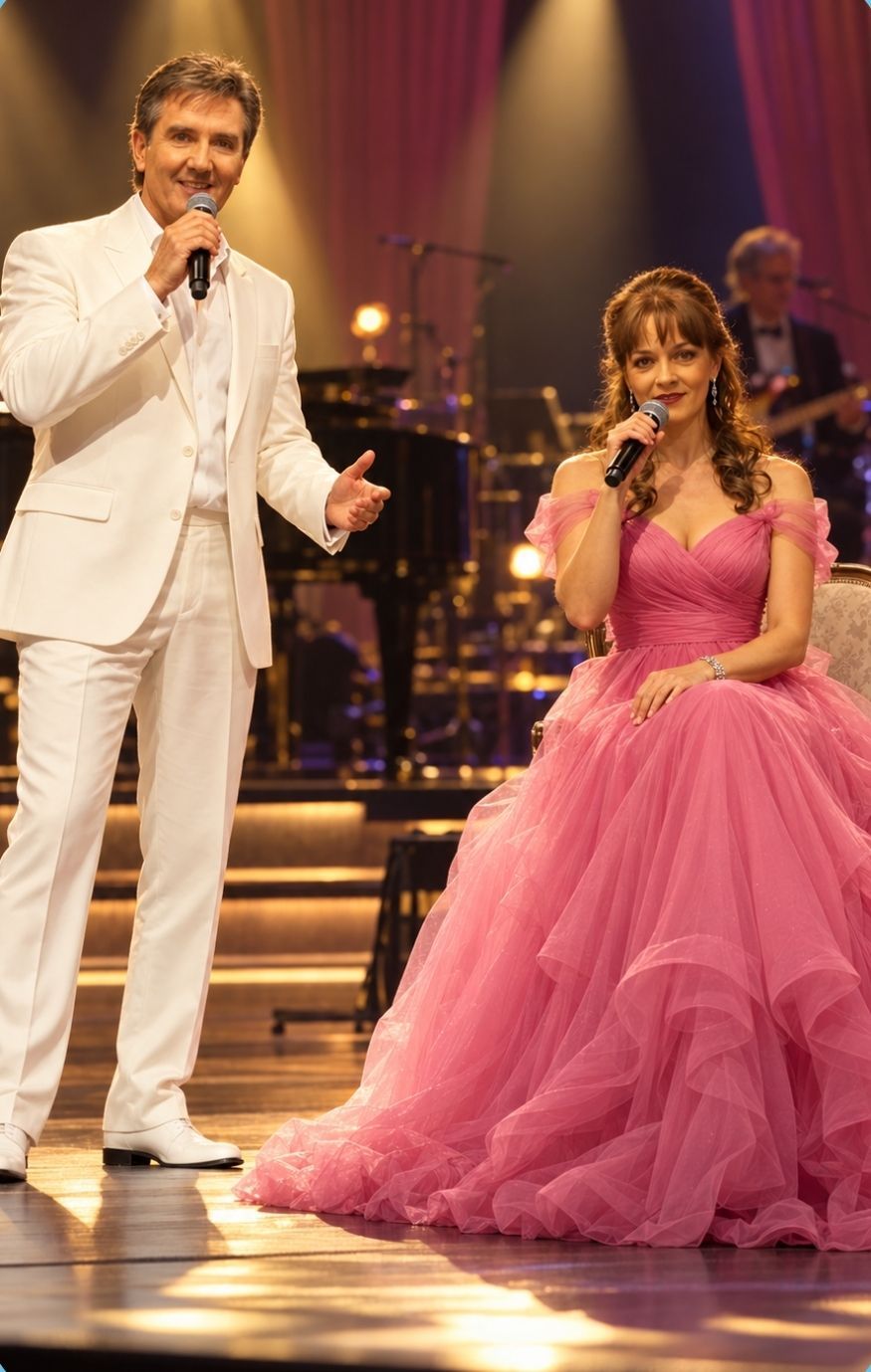
Some song titles tell us a story before the first note is heard. “Do You Think You Could Love Me Again” offers a question that is simple to understand and difficult to ask. Within those few words lie regret, affection, uncertainty, and the hope that something precious might still be recovered. For listeners who have lived through the changing seasons of a long relationship, that question carries a weight no elaborate language could improve upon.
Daniel O’Donnell with Mary Duff – Do You Think You Could Love Me Again (Live at Letterkenny) brings that emotional premise into the setting of a shared performance. Daniel’s official artist channel identifies the recording as a selection from At Home in Ireland, giving viewers an opportunity to revisit this duet within his familiar Irish concert repertoire.
At the heart of the song’s appeal is the word “again.” It suggests that love has a history. There was a beginning, there were moments worth remembering, and somewhere along the way, certainty became a question. Yet the title does not demand forgiveness or presume that reconciliation will follow. Its tentative wording leaves room for another person’s feelings. That humility gives the song an emotional maturity that older listeners may particularly appreciate.
A duet is a fitting form for such a subject. When two singers share a song about renewed affection, the central question can feel larger than one person’s private longing. It invites us to consider both sides of a relationship: the courage required to reach out and the care required to respond. Daniel O’Donnell and Mary Duff give listeners two voices through which to approach that possibility, making the pairing itself an important part of the song’s attraction.
Daniel’s familiar warmth suits material that depends on clear expression and an approachable presence. Mary’s contrasting voice brings another dimension to the shared musical space. For listeners drawn to traditional vocal duets, the pleasure comes from hearing distinct voices serve a common feeling. The song’s premise encourages attention to the words and to the relationship between the singers, rather than to any single moment of vocal display.

There is also something deeply recognizable about the hope expressed here. With experience, we learn that affection alone does not prevent misunderstanding. People can care for one another and still struggle to communicate. A song built around asking whether love might return acknowledges that uncertainty without making hope seem foolish. It offers a place to reflect on what patience, honesty, and forgiveness might make possible.
For an older audience, this need not be merely a song about looking backward. It can also be heard as an invitation to remain emotionally open. The past may explain why a question is painful, but it does not necessarily determine the answer. That balance between memory and possibility gives “Do You Think You Could Love Me Again” its enduring human interest.
The Letterkenny recording offers a welcome introduction to a duet whose strongest idea is also its simplest: asking for another chance requires tenderness and courage. In the company of Daniel O’Donnell and Mary Duff, that question becomes an invitation for listeners to remember, reflect, and perhaps recognize a little of their own lives in the music.