Introduction
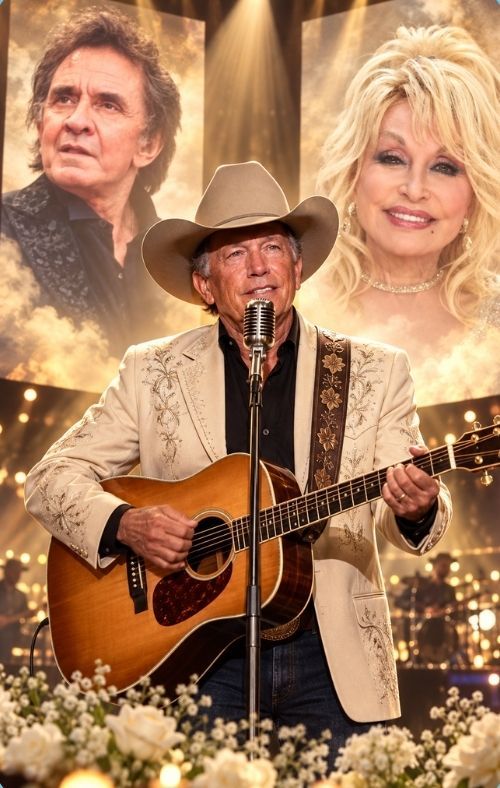
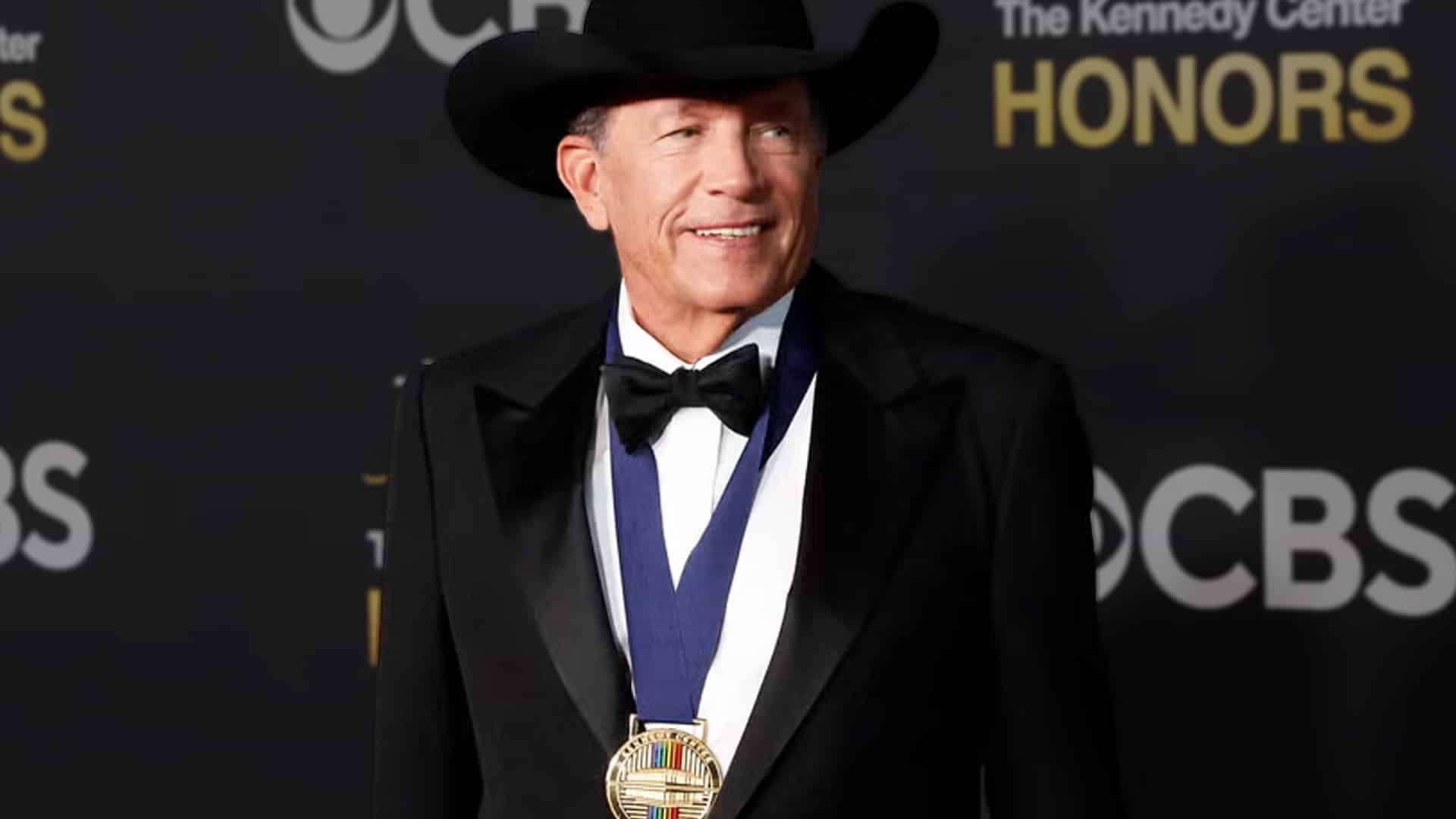
George Strait remembers Dolly Parton and Johnny Cash, the close friendship between them, and their songs that still resonate forever. It is an evocative thought: three artists whose voices have accompanied listeners through celebrations, disappointments, long drives, and quiet evenings at home. Yet their shared place in country music is more compelling than any imagined private conversation. Each understood how a song could make an ordinary life feel worthy of attention.
Strait’s gift has often been restraint. He can sing about heartache without asking the listener to admire how deeply he feels it. In “The Chair,” a simple exchange in a crowded room becomes a small story full of warmth and possibility. In “I Can Still Make Cheyenne,” the distance between two people emerges through plain words and a melody that gives them room to settle. Strait’s performances trust the audience to hear what remains unsaid.
Parton brings a different kind of intimacy. Her songs can be tender, witty, and sharply observant, sometimes within the same verse. “Coat of Many Colors” draws its strength from the way a childhood memory becomes a statement about dignity and love. “I Will Always Love You” makes a farewell generous without pretending it is painless. Her unmistakable voice carries those stories, but the writing is what allows others to find their own lives in them.
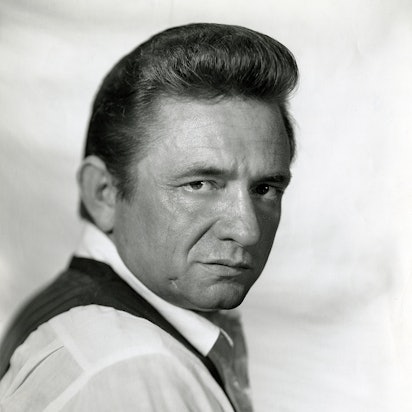
Cash had the rare ability to make a familiar song sound as though he had lived inside every word. His low voice and deliberate phrasing gave weight to stories of regret, endurance, faith, and compassion. Listen to “I Walk the Line” or “Ring of Fire,” and the arrangements may stay in your head. What lasts longer is the conviction in the singing. Cash seemed to understand that a listener could recognize struggle without needing it explained away.
Their recordings invite comparison because each artist respected a song’s emotional center. Strait lets a melody breathe. Parton finds the precise detail that opens a story to everyone. Cash gives a lyric the gravity of personal testimony. None needed an elaborate arrangement to hold an audience’s attention.
For longtime listeners, these songs also carry memories that have little to do with the recording studio. One may recall hearing Strait on a car radio, Parton in a family kitchen, or Cash through a speaker at the end of a difficult day. Music gathers meaning from the lives lived alongside it. Years later, a few notes can bring back a place, a person, or a version of ourselves we thought we had forgotten.

That is why their music continues to resonate. Their voices are distinct, and their careers followed different paths. Together, their songs show how much country music can say with a clear story, a memorable melody, and the courage to sound human.