Introduction
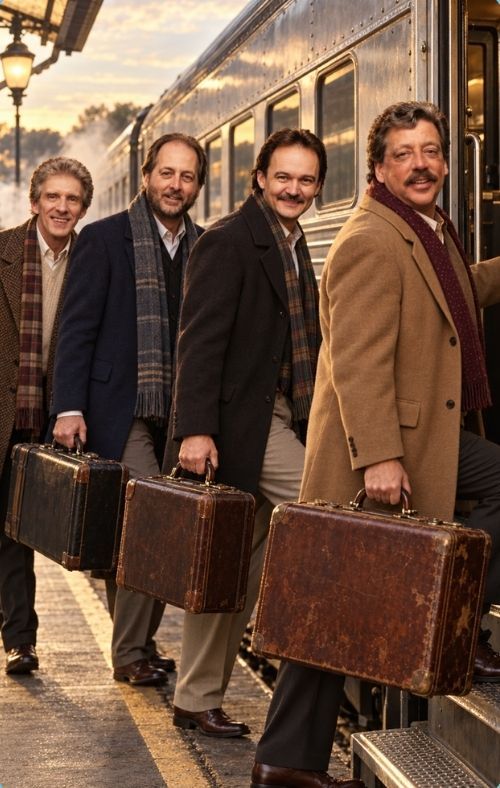
“THEY WALKED AWAY FROM JOHNNY CASH AT THE HEIGHT OF HIS POWER — AND COUNTRY MUSIC WAS NEVER THE SAME AGAIN.” It sounds like the opening line of a dramatic film: four singers standing beside the most commanding figure in American country music, knowing that security waited behind them while an uncertain future stretched ahead. Yet the true story of The Statler Brothers is even more compelling because their independence did not come through one reckless moment. It emerged gradually—from years of discipline, loyalty, growing confidence, and the realization that their distinctive harmony deserved a stage of its own.
Originally known as The Kingsmen, Harold Reid, Don Reid, Phil Balsley, and Lew DeWitt developed their sound in Virginia, singing gospel music before adopting the name The Statler Brothers. Despite the title, only Harold and Don were biological brothers. What united all four men was something equally powerful: shared faith, patient craftsmanship, gentle humor, and an uncommon understanding of how four voices could move together as one.
Their lives changed when Johnny Cash brought them into his touring company in 1964. Working alongside the legendary Man in Black gave them access to audiences they could scarcely have reached alone. Cash was not merely an employer. He became a mentor, supporter, and friend who recognized their ability before much of the country-music establishment did.
By 1965, “Flowers on the Wall” had become a remarkable crossover success. Its clever writing, memorable arrangement, and slightly unconventional perspective revealed that these men were far more than background singers. They possessed an identity that was warm, intelligent, humorous, and unmistakably American. In 1966, the recording earned major Grammy recognition and announced that The Statler Brothers could stand confidently in the spotlight.
But success created a difficult question: how long could they remain part of another star’s traveling show while their own audience continued to grow?
Contrary to the simplified legend, they did not abruptly abandon Cash in 1966. They remained closely associated with him for several more years, appearing on his tours and television program before leaving his road show in 1972. That fuller timeline makes their decision more meaningful. They understood what they owed him, and they did not confuse ambition with ingratitude. Their departure represented maturation rather than rebellion—a respectful step toward artistic independence.
Still, the risk was genuine. Touring with Johnny Cash offered prestige, reliable work, and the protection of one of music’s most recognizable names. Moving forward alone meant accepting financial uncertainty and facing the possibility that early fame might disappear. The group had families, responsibilities, and no guarantee that audiences would follow.
What carried them through was brotherhood, faith, and extraordinary courage. They trusted the musical character they had built together: Harold’s deep bass, Don’s storytelling instincts, Phil’s steady presence, and Lew’s expressive tenor. Their songs often celebrated small towns, remembered earlier generations, and treated ordinary lives with dignity. They could be playful without becoming shallow and sentimental without losing intelligence.
Records such as “Bed of Rose’s,” “Class of ’57,” “Do You Remember These,” “I’ll Go to My Grave Loving You,” and “Elizabeth” confirmed that their success was no accident. Later, Jimmy Fortune would bring his own gifts to the group after Lew DeWitt’s health forced him to withdraw, helping extend a legacy already rooted in friendship and resilience.
Their story is therefore not simply about men who “walked away” from a superstar. It is about artists who learned beneath a giant, honored the opportunity he gave them, and eventually found the courage to follow their own calling. Johnny Cash opened the door—but The Statler Brothers built the house beyond it.
That house still stands in the memory of country music: filled with four-part harmony, modest wisdom, laughter, faith, and songs that make listeners remember who they were, where they came from, and the people they once loved. Their gamble did more than secure a successful career. It created one of the most beloved and timeless legacies in country music history.