Introduction
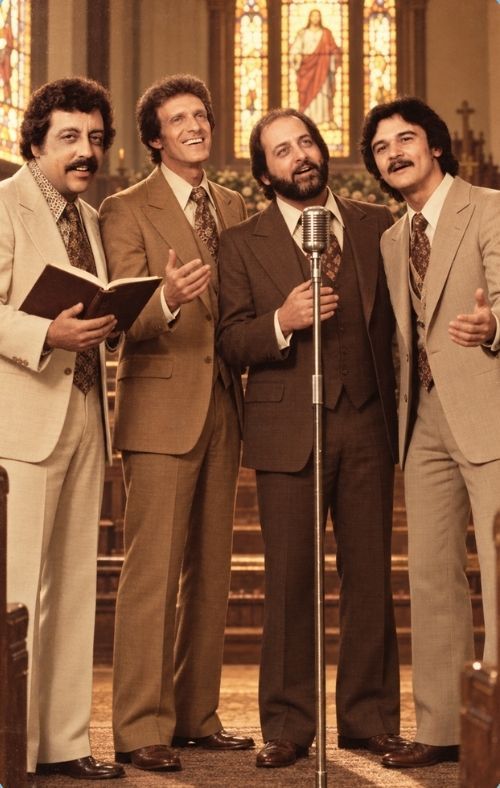
For decades, The Statler Brothers made four voices sound like one shared memory. Their harmonies could fill a concert hall, yet they often felt as intimate as singing around a family table. There was wit in their performances, faith in their musical roots, and a deep affection for ordinary lives. When the group left the road in 2002, country music lost a familiar Saturday night presence. The songs, however, kept finding their way home.
That warmth was carefully made. Harold Reid’s bass gave the quartet a firm foundation, while Phil Balsley, Don Reid, and first Lew DeWitt, then Jimmy Fortune, shaped the voices above it. Their gospel background taught them to listen closely to one another. Even in a playful song, no voice seemed to be competing for attention. Each had a place, and the pleasure came from hearing them meet. The Country Music Hall of Fame and Museum traces that quartet tradition through their long recording and touring career.
Consider “Flowers on the Wall.” Written by DeWitt, it moves with such an easy, memorable rhythm that a listener might initially miss its loneliness. The Statlers understood how to let a melody smile while its story carried something more complicated. “The Class of ’57” works almost in reverse: its tenderness is plain from the start, but its account of passing years grows more affecting as the listener grows older. These songs trusted their audience to hear what lay beneath the tune.
The group also knew the value of laughter. Their stage humor made the music feel welcoming, as though the men performing had pulled up four chairs among friends. That spirit helped sustain a career that stretched from their years with Johnny Cash to their own records and television show. To longtime fans, the Statlers became part of the rhythm of life: a song on the radio during a drive, a familiar voice in the living room, a harmony recognized before the title was remembered.

Their story holds real sorrow, though it needs no invented final scene. DeWitt’s illness led him to leave the group in 1982; he died in 1990. Fortune joined the quartet and contributed some of its best-loved later songs, including “Elizabeth” and “More Than a Name on a Wall.” The group continued to perform until its retirement from the road in 2002. Harold died in 2020. Those events happened across many years, each carrying its own weight for the people who knew and loved them. They were never a single, sudden tragedy. The Hall of Fame’s account records the changes in the group and its eventual retirement.
Perhaps that is why the phrase last harmony is so moving. It reminds us that a performance can end while its place in our lives remains. Put on a Statlers recording today, and you can hear the care with which four men supported one another through a verse. You may also remember where you were when you first heard it, or who was sitting beside you.
The Statler Brothers gave country music more than a distinctive sound. They gave listeners songs they could return to as the years changed around them. The voices on those records are still together, holding a note just long enough for us to join them.