Introduction
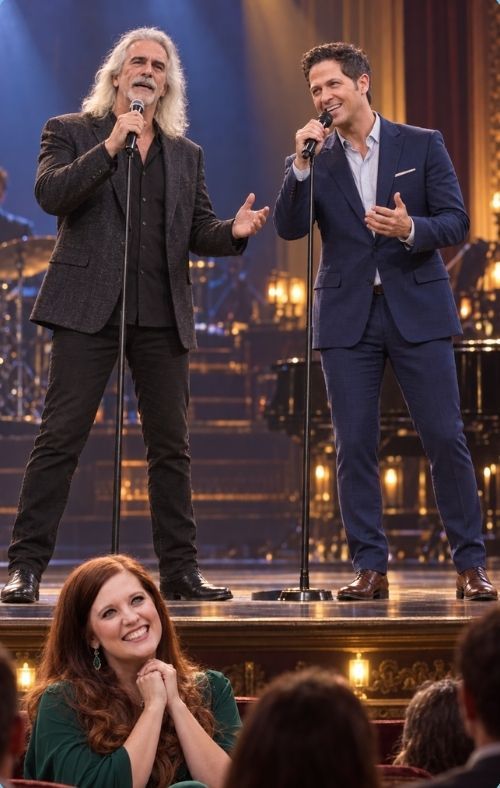
For years, audiences have admired the remarkable contrast between Guy Penrod and Wes Hampton. One possessed a deep, commanding baritone that seemed to rise from the foundations of Southern gospel music; the other brought a clear, expressive tenor capable of lifting a harmony toward the heavens. During their shared years with the Gaither Vocal Band, those differences were not obstacles. They were essential parts of a musical partnership that created performances listeners still treasure today.
Yet when Guy Penrod left the Gaither Vocal Band in 2009, questions naturally followed. Had something happened behind the scenes? Was there professional tension between Penrod and Hampton? Had a private disagreement caused two respected singers to follow separate paths? Such speculation can spread quickly, especially when devoted fans feel emotionally connected to a familiar lineup. However, there is no credible public evidence establishing a secret feud or personal betrayal between the two men.
The more meaningful truth is found in the music they created together.
By the time Wes Hampton joined the group in 2005, Guy Penrod had already become one of the most recognizable figures in contemporary gospel music. With his long hair, powerful presence and unmistakable voice, Penrod could transform a simple lyric into something deeply personal. His singing carried strength, but it also contained tenderness. He did not merely perform words about faith, family and hope; he made listeners feel that those words had been tested by life.
Hampton entered with a very different vocal character. His bright tenor brought freshness and clarity to the ensemble, particularly when the singers joined in the intricate harmonies for which the Gaither Vocal Band had long been celebrated. Where Penrod provided depth, Hampton supplied lift. Where one voice gave a song weight, the other gave it light. Their contrast demonstrated one of gospel music’s oldest and most beautiful principles: harmony becomes powerful because distinct voices learn to serve the same message.
Working in a celebrated vocal group involves far more than appearing beneath stage lights. It requires rehearsals, sound checks, recording sessions, constant travel and long periods away from home. Singers must understand one another’s timing, breathing and phrasing. They must know when to step forward and when to leave space for another voice. This kind of musical trust is developed gradually, often in moments audiences never witness.
Guy Penrod and Wes Hampton shared that demanding world for several years. They traveled, rehearsed and performed as members of an ensemble carrying enormous expectations. Their audiences did not simply enjoy the songs; many listeners relied on them during grief, illness, uncertainty and moments when encouragement was urgently needed. That responsibility created a bond larger than any single concert.
Penrod’s eventual departure should therefore be understood as a turning point rather than automatic proof of conflict. He was not only a celebrated singer but also a husband and the father of a large family. Life on the road inevitably required sacrifice, and his decision opened the way for a successful solo career centered on the same enduring values that had defined his work: Christian faith, devotion to family and spiritual encouragement.
Meanwhile, Wes Hampton continued building his own respected place within the Gaither Vocal Band. He was never merely a substitute for Penrod or any other former member. Hampton possessed his own style, personality and calling. Comparing the two as though only one voice could matter overlooks the very nature of ensemble singing. Gospel harmony does not ask every singer to sound alike. It invites each voice to contribute something the others cannot.
Perhaps that is why their story continues to touch longtime listeners. It reminds us that change does not erase what came before. A musician may leave a group without rejecting its members. Colleagues may follow separate roads while retaining respect for the chapter they once shared. Not every departure conceals an argument, and not every silence confirms a scandal.
The lasting story of Guy Penrod and Wes Hampton is not one of rivalry but of musical contrast, shared purpose and changing seasons. Their voices met during an important era of the Gaither Vocal Band, creating harmonies that remain preserved in recordings and in the memories of countless families. One voice carried the earthbound strength of a seasoned baritone; the other rose with the brightness of a gifted tenor. Together, they showed listeners why gospel music can feel both deeply human and quietly eternal.
Sometimes the truth is less sensational than rumor—but far more moving. Two men sang together, served the same message and eventually continued along different paths. The lineup changed, yet the songs endured. And for those who still return to those performances, the harmony never truly ended.