Introduction

For generations of gospel listeners, the name Gaither Vocal Band represents far more than polished harmonies and memorable performances. It recalls Sunday mornings, long family drives, church gatherings, difficult seasons, and those deeply personal moments when a familiar song somehow offered exactly the encouragement a listener needed. That is why the enduring question surrounding Mark Lowry, Bill Gaither, Michael English, David Phelps, Guy Penrod, and other beloved voices continues to carry such emotional weight: could the classic lineup ever stand together again?
At first, a reunion sounds simple. Find a stage, select a date, rehearse the old songs, and invite the audience back into the music they have loved for decades. Yet the reality is considerably more complicated. The people who created those unforgettable years are no longer living the same lives they lived when those harmonies were first formed. Careers have changed. Families have grown. Physical energy changes with time. Personal priorities become different. And perhaps most importantly, the particular season that produced that extraordinary chemistry cannot simply be reconstructed by putting the same names on the same stage.
That truth gives Mark Lowry’s reflections an unexpected emotional depth. Lowry has always occupied a distinctive place in gospel music. His remarkable ability to move an audience from laughter to quiet reflection made him unlike almost anyone else in the genre. One moment he could tell a story that filled a room with laughter; moments later, he could sing with an honesty that made an audience completely still. His contribution to the Gaither Vocal Band was therefore not merely vocal. He helped create an atmosphere—warm, spontaneous, human, and deeply accessible.
Fans understandably remember the performances. What they rarely saw was everything surrounding them: airports, buses, hotel rooms, rehearsals, soundchecks, interviews, late nights, and long stretches away from home. A ninety-minute concert could represent an entire day of preparation and travel. Repeating that routine for years carries a cost that audiences may never fully understand.
This is one reason nostalgia can be both beautiful and demanding. Listeners naturally want to return to the era that meant the most to them. One fan may treasure the years of Mark Lowry and Michael English. Another may feel closest to the period featuring David Phelps and Guy Penrod. Each lineup possessed its own personality, balance, and emotional character. Asking for “the old Gaither Vocal Band” therefore raises an important question: which old Gaither Vocal Band?
The deeper issue may be that great musical eras are powerful precisely because they belonged to a particular moment in time.
There is also an important difference between loving the music and wanting to return permanently to the lifestyle that created it. Artists can remain grateful for their past without wishing to reproduce every part of it. With age, the definition of success often changes. Performing before thousands may once have seemed like the highest achievement. Later, success may mean having control over one’s schedule, spending more evenings at home, choosing meaningful projects, or simply having the freedom to rest.
That does not diminish the legacy.
In fact, it may strengthen it.
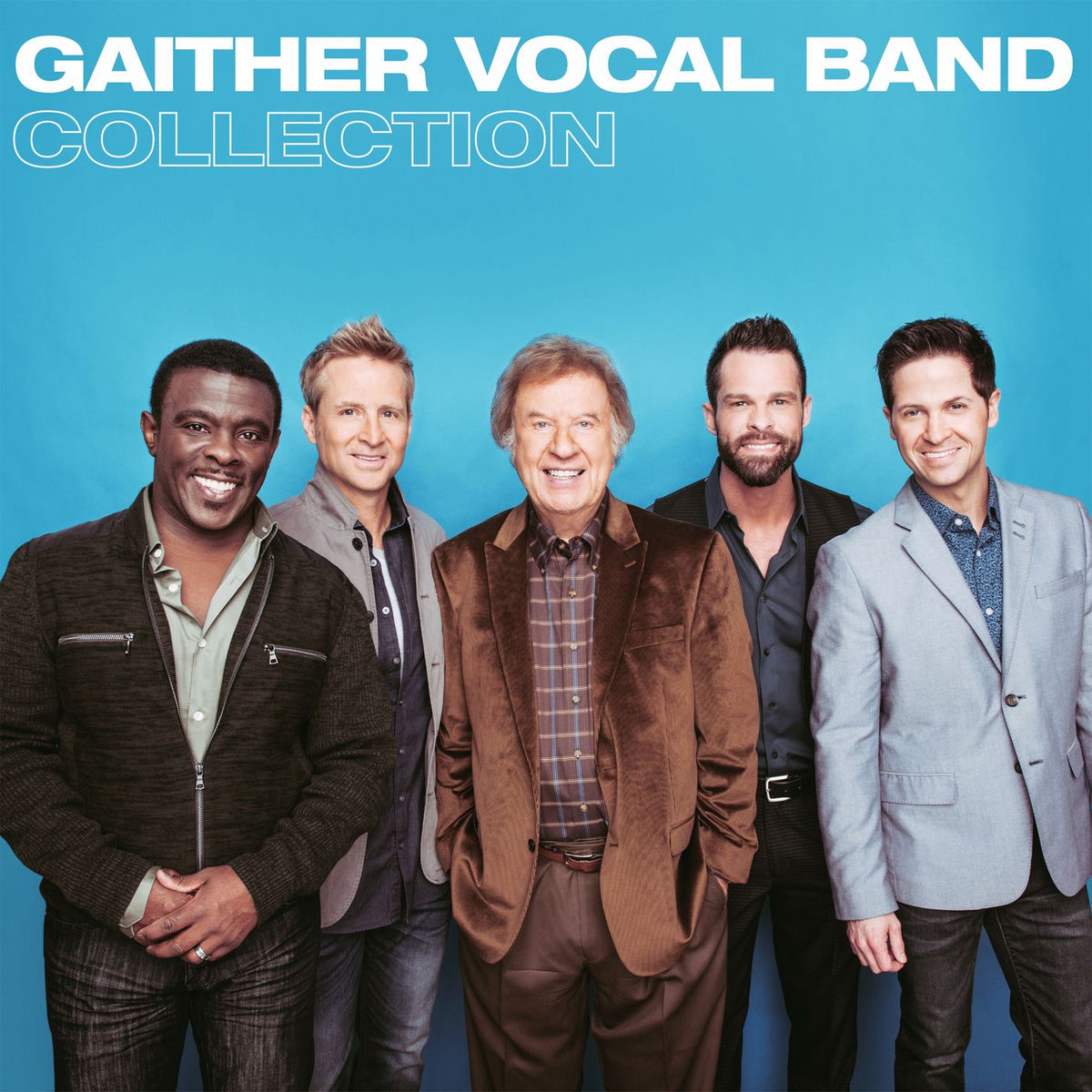
The recordings remain. The performances remain. The humor, the harmonies, the friendships, and the unforgettable songs continue to reach people who were not even alive when some of those concerts originally took place. Modern audiences can discover decades-old performances with a single click and experience something remarkably close to what longtime fans felt the first time.
Perhaps that is the most moving part of the Gaither Vocal Band legacy: the music has outlived the circumstances that created it.
For longtime listeners, accepting that a complete reunion may never happen can feel bittersweet. Music becomes attached to people we loved, homes we once knew, seasons of faith, grief, celebration, and memories that cannot be repeated. Wanting the singers back together is sometimes another way of wanting those years of our own lives back as well.
But some chapters should not be judged by whether they can be reopened.
They should be valued because they happened.
Mark Lowry, Bill Gaither, Michael English, David Phelps, Guy Penrod, and the many other voices who passed through the group have already given listeners something permanent. They do not need another concert to prove the importance of what they created.
Perhaps the most meaningful reunion happens every time an old recording begins to play, a familiar harmony fills the room, and someone who heard it decades ago suddenly remembers exactly where they were—and exactly how it made them feel.
The stage may change. The singers may move into new chapters. But the Gaither Vocal Band’s music continues.
And for millions of listeners, that may be the reunion that never truly ends.