Introduction

The Four Voices That Made Country Music Feel Like Coming Home Again
For generations of listeners, The Statler Brothers represented something far greater than polished harmony or familiar country entertainment. Their music carried the reassuring warmth of an old front porch, the dignity of a Sunday morning service, and the bittersweet pull of memories that become more precious with age. Whenever Harold Reid, Don Reid, Phil Balsley, and Lew DeWitt—or later Jimmy Fortune—joined their voices together, they created a sound that seemed to belong not merely to a particular decade, but to the deeper emotional history of America.
They were often described as comforting, gentle, and traditional. Those descriptions were accurate, yet they never told the whole story. Beneath the smooth arrangements and good-natured stage presence was a remarkable understanding of faith, memory, regret, family, and time. The Statlers knew that the most powerful songs were not always the loudest. Their finest performances often felt like private conversations between the singer and the listener, shaped by experiences that could not easily be explained in ordinary speech.
Part of their lasting appeal came from the balance within the group. Harold Reid’s unmistakable bass voice gave the harmonies weight and character, while Don Reid’s thoughtful delivery brought clarity and emotional intelligence to the lyrics. Phil Balsley provided a steady musical foundation, and Lew DeWitt contributed a tender tenor that could make even a simple phrase feel deeply personal. When Jimmy Fortune joined the group, his soaring voice opened another chapter, bringing renewed energy without disturbing the identity listeners had come to cherish.
Their music understood that growing older means carrying many versions of home within the heart. There is the home of childhood, remembered through kitchens, church pews, small-town streets, family photographs, and voices that are no longer heard. There is also the home people build for themselves through marriage, friendship, duty, and faith. Then there is the home that exists only in memory—the place one longs to revisit even while knowing it can never be recovered exactly as it once was.
Songs such as “Flowers on the Wall,” “I’ll Go to My Grave Loving You,” “Do You Remember These,” and “The Class of ’57” spoke directly to that experience. They were filled with recognizable people, ordinary disappointments, quiet humor, and enduring devotion. The Statlers did not portray life as endlessly glamorous or uncomplicated. They sang about the passage of time, the choices people regret, the promises they keep, and the moments they wish they could live again.
This emotional honesty helps explain why their music still resonates with listeners who remember when country songs were built around stories rather than spectacle. Their performances invited audiences to listen closely. A change in harmony, a pause before a final line, or the sudden arrival of Harold Reid’s bass could transform a familiar lyric into something unforgettable. The group trusted the intelligence of its audience, allowing meaning to emerge naturally instead of forcing emotion upon the listener.
There was also a strong sense of community and shared history in their work. The Statlers sang about schoolmates, soldiers, mothers, neighbors, preachers, old sweethearts, and families gathered around radios or dinner tables. These figures were not treated as symbols from a distant past. They felt real because the songs recognized both their strengths and their imperfections. Through these portraits, the group preserved a vision of American life that was already beginning to disappear.
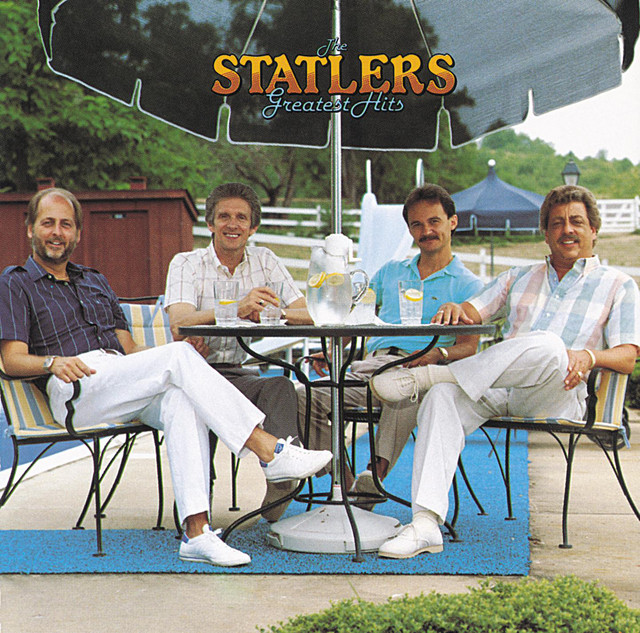
Yet their legacy should not be mistaken for simple nostalgia. The Statler Brothers were not merely asking audiences to look backward. Their music reminded people that certain values—loyalty, gratitude, humility, and compassion—remain meaningful in every generation. They showed that remembering the past can be more than an escape. It can become a way of understanding who we are, what we have lost, and what deserves to be protected.
That is why hearing The Statler Brothers today can still feel like returning to a familiar place after a long absence. The houses may have changed, the old friends may have moved away, and the voices around the table may now exist only in memory. But when those four-part harmonies begin, something inside the listener recognizes the road.
They did not simply perform country music. They gave millions of people a place to rest their memories. And for the length of a song, they made home feel close enough to touch again.