Introduction

For countless admirers of Southern Gospel music, the voice of Guy Penrod remains inseparable from some of the most memorable years of the Gaither Vocal Band. With his commanding vocals, unmistakable appearance, and deeply sincere delivery, Penrod possessed the rare ability to turn a familiar hymn into something that felt personal and immediate. He could fill a large concert hall with extraordinary power, yet he could also sing a quiet verse with such tenderness that listeners felt as though the message had been meant especially for them. That combination of strength and sincerity made him more than a featured vocalist. To many longtime fans, he became the emotional heart of an important chapter in gospel music history.
That is why his departure from the group created so many questions. After spending more than a decade as one of its most recognizable voices, Penrod had become a central part of the sound audiences expected to hear. When he stepped away from full-time membership, some listeners wondered whether there had been disagreement behind the scenes. Others assumed that creative differences or personal tensions must have brought the partnership to an end. However, the story that gradually emerged was not one of conflict or bitterness. It was a quieter and far more meaningful story about faith, family, responsibility, and the courage to begin again.

Before joining the Gaither Vocal Band, Guy Penrod had already spent years developing his abilities as a professional studio singer in Nashville. He contributed his voice to recordings connected with major artists and learned the patience, discipline, and humility required to build a lasting career. When the opportunity came for him to join the Gaither Vocal Band during the 1990s, he brought more than vocal range to the stage. He brought life experience, spiritual conviction, and an instinctive understanding of how to communicate the meaning behind a lyric.
During his years with the group, Penrod became known for performances that were both technically impressive and emotionally genuine. He did not appear to sing simply for applause. His finest moments carried the feeling of testimony, as though each song reflected something he genuinely believed. Whether performing a beloved hymn, an energetic gospel number, or a reflective song about hope, he approached the material with seriousness and respect. His listeners recognized that authenticity, and the connection they formed with him continued long after individual concerts had ended.
Yet success often brings demands that audiences never fully see. Life with a celebrated touring group involved rehearsals, travel, recording sessions, public appearances, and long periods away from home. Behind the famous voice was a husband and father who understood that his children were growing older and that certain family moments could never be repeated. Penrod and his wife, Angie Penrod, were raising eight children, and the desire to be more present in their lives became increasingly important. His decision was therefore not simply a professional calculation. It reflected a personal understanding of what he believed mattered most.
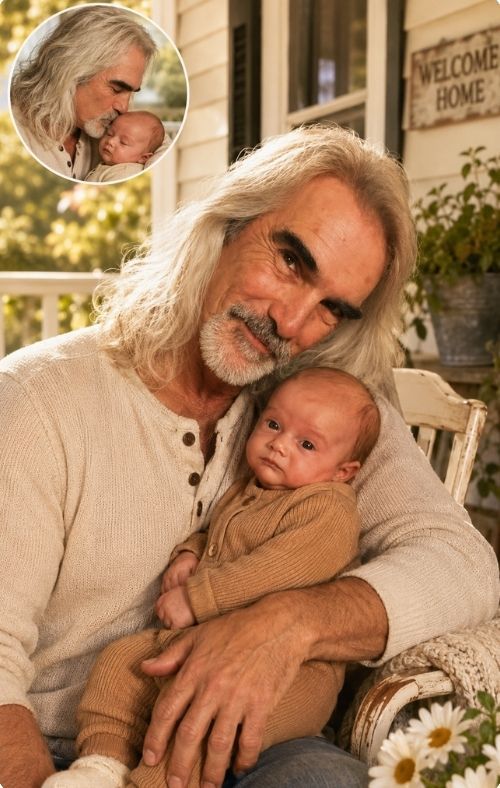
Walking away from an established position in one of gospel music’s most successful groups required considerable courage. The Gaither Vocal Band had given Penrod an extraordinary platform, loyal audiences, treasured friendships, and opportunities that many singers could only imagine. There was no guarantee that a solo career would offer the same recognition or security. Nevertheless, Penrod chose to trust that a different season of life could still be meaningful. Rather than chasing a larger spotlight, he pursued a path that allowed him to balance music, ministry, and family.
His departure did not mean that he had rejected his past. Penrod continued to express appreciation for Bill Gaither, the musicians who had shared the stage with him, and the experiences that had helped shape his career. His later appearances within the wider Gaither community also demonstrated that the relationship had not been defined by a dramatic public falling-out. The transition was best understood not as an angry ending, but as the closing of one chapter and the opening of another.
As a solo artist, Guy Penrod continued to record gospel and inspirational music while gaining greater control over his schedule and artistic direction. His performances retained the qualities audiences had always admired: warmth, conviction, vocal strength, and a deep respect for the spiritual message of each song. In many ways, his years as a husband and father gave even greater weight to his singing. Songs about perseverance, gratitude, home, and God’s faithfulness carried the authority of lived experience.
The lasting importance of Guy Penrod’s journey cannot be measured only through album sales, awards, or standing ovations. His story speaks to anyone who has ever faced a difficult decision between outward success and inward peace. It reminds listeners that leaving something successful does not always mean failure. Sometimes it means recognizing that life has entered a new season and having enough faith to follow it.
For older listeners especially, that message may feel deeply familiar. With time, people often discover that the most valuable achievements are not always the most visible ones. A meaningful life may be found in being present for one’s family, remaining faithful to one’s principles, and using one’s gifts without allowing fame to become the only measure of success. Guy Penrod’s decision reflected precisely that kind of wisdom.
His years with the Gaither Vocal Band will always remain an essential part of his musical legacy. Those performances introduced his remarkable voice to millions and helped define an unforgettable era in gospel music. But his story did not end when he left the group. Instead, it became a testimony about purpose, humility, family, and trusting God through change.
Perhaps that is why Guy Penrod continues to inspire audiences today. People admire the power of his voice, but they also respect the values behind it. He showed that an artist can step away from one of the brightest stages in gospel music without abandoning his calling. In doing so, he found a different kind of success—one built not merely upon recognition, but upon the people he loved, the faith he carried, and the message he still felt called to share.