Introduction
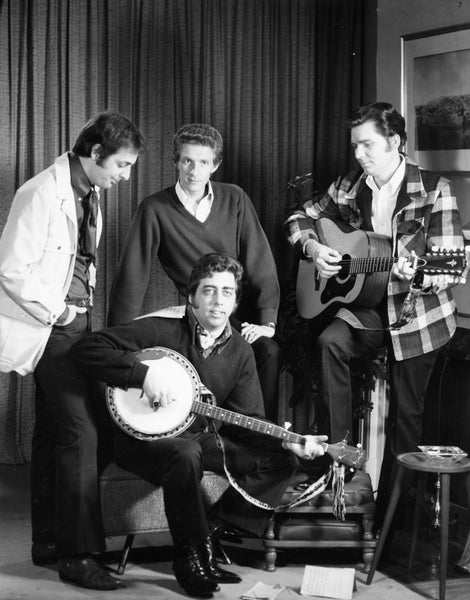
In the early 1970s, The Statler Brothers made a remarkable decision that set them apart from many of their peers—they chose to write and record songs that celebrated faith, family, and everyday American life rather than simply chasing the latest musical trends. Whether they were singing about childhood memories, small-town traditions, or the people who shaped their lives, Harold Reid, Don Reid, Phil Balsley, and Lew DeWitt believed the most meaningful stories were often the simplest ones. Their sincerity resonated with millions of listeners, earning them generations of loyal fans and countless industry honors. Long after the charts changed, their songs continued to bring comfort because they reflected values that never went out of style. The Statler Brothers’ story reminds us that music has the greatest impact when it speaks to the heart, preserving the memories, traditions, and people we never want to forget.
There was always something reassuring about hearing The Statler Brothers sing. Their voices did not merely blend in perfect harmony; they seemed to carry the familiar sounds of an America many listeners recognized immediately. Their music brought to mind Sunday mornings, family photographs, handwritten letters, front porches, school reunions, country churches, and roads leading back to places that still felt like home.
During an era when popular music was changing rapidly, The Statler Brothers remained confident in the stories they wanted to tell. They understood that musical fashions could disappear almost overnight, but memories of family, friendship, faith, and community remained powerful throughout a lifetime. Instead of abandoning those subjects in pursuit of whatever was currently dominating radio, they treated ordinary life as something worthy of celebration.
That choice became one of the defining strengths of their career.

Harold Reid’s unmistakable bass voice gave the group a foundation that was both musical and emotional. Don Reid brought thoughtful songwriting and a storyteller’s understanding of character. Phil Balsley contributed a steady presence and warm vocal balance, while Lew DeWitt’s tenor added a distinctive tenderness to the group’s early recordings. Together, they created harmonies that sounded carefully arranged but never artificial. Their performances felt personal, as though four longtime friends had gathered in a familiar room to sing songs they genuinely believed.
The Statler Brothers were especially gifted at transforming seemingly small moments into meaningful reflections. A childhood memory could become a meditation on time. A hometown custom could represent the importance of belonging. A song about an old photograph or a familiar name could remind listeners of people they had loved, admired, or lost along the way.
This emotional honesty explains why their music continued to matter even after country radio moved in different directions. Listeners did not return to The Statler Brothers simply because they wanted nostalgia. They returned because the songs still told the truth. The details may have belonged to another time, but the emotions remained universal.
Their music also possessed a rare balance between humor and seriousness. The group could make an audience smile with clever observations and playful storytelling, then quiet the same room with a song about devotion, aging, gratitude, or remembrance. This range made their concerts feel like conversations with trusted friends. The Statlers respected their audiences enough to entertain them without speaking down to them.
Songs such as “Flowers on the Wall,” “Bed of Rose’s,” “Do You Remember These,” “Class of ’57,” and “I’ll Go to My Grave Loving You” demonstrated their ability to move between wit, memory, loyalty, and reflection. Each recording carried the group’s unmistakable identity. Even when the musical arrangements changed, the heart of their work remained consistent.
Their commitment to faith was equally important. The Statler Brothers never treated gospel music as a temporary side project. It was part of their foundation. Their spiritual recordings reflected humility, gratitude, and a belief that music could offer encouragement during uncertain times. For many listeners, these performances became companions during illness, grief, family hardship, and quiet moments of prayer.
The group’s connection to small-town America was not a manufactured image. It came from lived experience. They understood the importance of neighbors who remembered your family, local traditions repeated every year, and communities where personal history was never entirely forgotten. Their songs preserved that world without pretending it was perfect. They recognized its humor, disappointments, loyalty, and resilience.
Perhaps that is why The Statler Brothers remain so deeply loved. Their music reminds listeners that an ordinary life can still be a meaningful life. A modest home can hold extraordinary memories. A family gathering can become more valuable with time. A simple melody can carry the voices of people who are no longer beside us.

The Statler Brothers did not need to chase every trend because they had already discovered something more lasting: people want to hear their own lives reflected in music. They want songs that recognize where they came from, whom they loved, what they believed, and what they hope will be remembered.
Decades later, those harmonies still offer comfort. They remind us that the strongest music is not always the loudest or the most fashionable. Sometimes it is simply four voices singing honestly about the things that matter—and trusting that the human heart will recognize the truth.