Introduction

At 63, Guy Penrod has not announced that he is retiring or walking away from gospel music. Yet the widespread interest surrounding such a story reveals something important: listeners are deeply concerned about preserving sincerity, tradition, and spiritual meaning in a rapidly changing music industry.
For generations of Southern gospel listeners, Guy Penrod has represented something reassuring. His unmistakable country-influenced voice, commanding stage presence, and thoughtful delivery have made him one of the most recognizable singers associated with the Gaither tradition. He was born on July 2, 1963, and became internationally known during his long tenure with the Gaither Vocal Band before beginning a successful solo career in 2009.
Recent online stories have claimed that Penrod quietly stepped away from gospel music after recording an emotional farewell message from his home. These accounts describe him criticizing streaming statistics, social-media pressures, ticket sales, and the growing expectation that singers must become constant content creators. However, no reliable statement supporting that account could be found on his official website or established professional pages.
In fact, Penrod’s official website continues to present him as a GRAMMY and Dove Award-winning vocalist, maintains a tour section and provides active professional booking information. The site also continues to promote his music and describe the enduring spiritual purpose behind his recordings.
That does not mean the concerns raised by the circulating story are meaningless. On the contrary, they touch upon a genuine tension affecting gospel music and nearly every traditional musical genre.
The modern recording world is driven increasingly by immediate visibility. Artists are encouraged to post frequently, attract online reactions, follow changing trends and measure success through streams, views and follower counts. These tools can help meaningful music reach people who might never enter a church, attend a gospel concert or purchase a physical album. Technology has opened valuable doors, especially for independent performers.
Yet something can also be lost when numbers become more important than the message.
Guy Penrod’s career reminds listeners of an earlier standard. A gospel performance was not merely expected to capture attention. It was meant to communicate conviction. The singer’s responsibility was to serve the song, respect its message and offer the audience something that would remain after the applause had ended.
Penrod possessed the unusual ability to make a large auditorium feel personal. His rich voice could rise powerfully over a choir, but he could also approach a familiar hymn with restraint and tenderness. Songs associated with him were memorable not simply because he could hold an impressive note, but because he appeared to understand the emotional meaning behind every line.
His official biography emphasizes both his musical achievements and his identity as a husband and father. Penrod and his wife, Angie, raised seven sons and one daughter, and family life has always been presented as a central part of his public story. His solo projects also achieved considerable chart success, including Hymns, which became the top-selling Southern gospel album of 2012, and LIVE Hymns & Worship, which reached No. 1 on both the Christian Music Video and Billboard Music Video charts.
These achievements help explain why rumors of his departure attract such strong reactions. For longtime admirers, Penrod is more than a successful performer. He represents continuity. His voice connects the great Gaither Homecoming era with present-day listeners who still value hymns, harmony and songs built around hope.
The possibility of losing such a voice naturally creates sadness. It also raises a larger question: Can gospel music embrace modern technology without allowing faith to become another product competing for attention?
The answer may depend on balance. Streaming services and social platforms are not automatically enemies of meaningful music. They are tools. The real question is whether artists control those tools or gradually allow those tools to control their purpose.
Veteran singers such as Guy Penrod offer an important example. Their experience reminds younger performers that visibility is not the same as influence, popularity is not the same as permanence, and a song’s value cannot always be measured by an algorithm. Music may reach millions of screens and still fail to reach a single heart.
There may eventually come a day when Penrod chooses to step away from touring or recording. Every artist deserves the freedom to make that decision privately and with dignity. But that announcement should come from the artist himself, not from an unverified online narrative.
For now, Guy Penrod’s official presence continues to celebrate his music, his faith and his extraordinary career. The farewell being discussed online appears not to be a confirmed ending, but it has nevertheless reminded audiences how much his voice means to them.
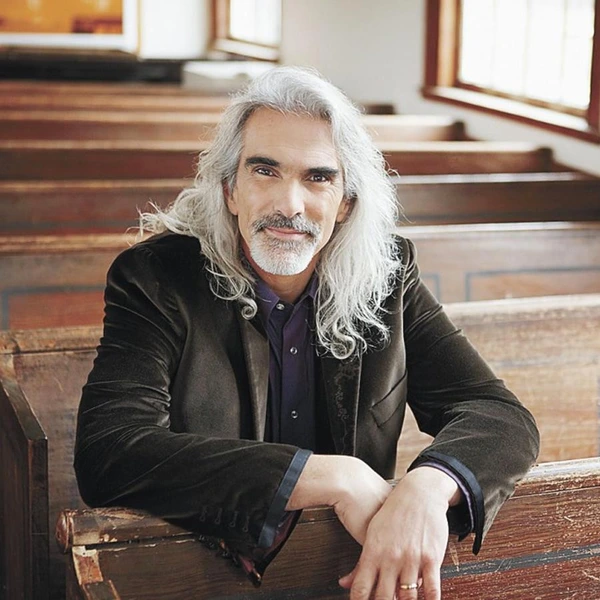
Perhaps that is the most revealing part of the story. People are not ready to say goodbye because Guy Penrod’s music has never felt temporary. It belongs to a tradition that values truth over fashion, substance over noise and encouragement over attention.
In an industry that changes almost daily, that kind of voice remains not only welcome, but necessary.