Introduction

They laughed at her wigs. They mocked her makeup. They called her a “dumb blonde.” But Dolly Parton never needed to answer cruelty with anger. She answered it with something far more powerful: a pen, a melody, and a mind sharp enough to turn every insult into history.
Dolly Parton’s story has always been more than a tale of fame. It is a study in dignity, discipline, and quiet genius. Long before the rhinestones, the stage lights, and the worldwide applause, there was a little girl in the Tennessee mountains learning what it meant to do without. Her beginnings were not wrapped in glamour. They were shaped by hardship, faith, family, and imagination. Born into poverty and raised with 11 siblings in a small mountain home, Dolly learned early that the world does not always recognize greatness when it first appears. Sometimes it laughs at it. Sometimes it dismisses it. Sometimes it mistakes brightness for foolishness.
But Dolly understood something many people around her did not. Appearance may attract attention, but substance is what survives. While others judged the hair, the clothes, and the sparkle, she was building a catalog of songs that would speak to generations. More than 3,000 songs is not merely a number. It is proof of a working mind, a faithful heart, and a creative spirit that refused to be reduced to a punchline.
That is why the story of her writing “Jolene” and “I Will Always Love You” so close together feels almost mythical. These were not just two successful songs. They were two different portraits of emotional intelligence. “Jolene” carries tension, vulnerability, and storytelling so clear that listeners can see the scene unfold in their minds. “I Will Always Love You” carries grace, farewell, and strength without bitterness. Together, they reveal the depth of a songwriter who could turn private feeling into universal truth.
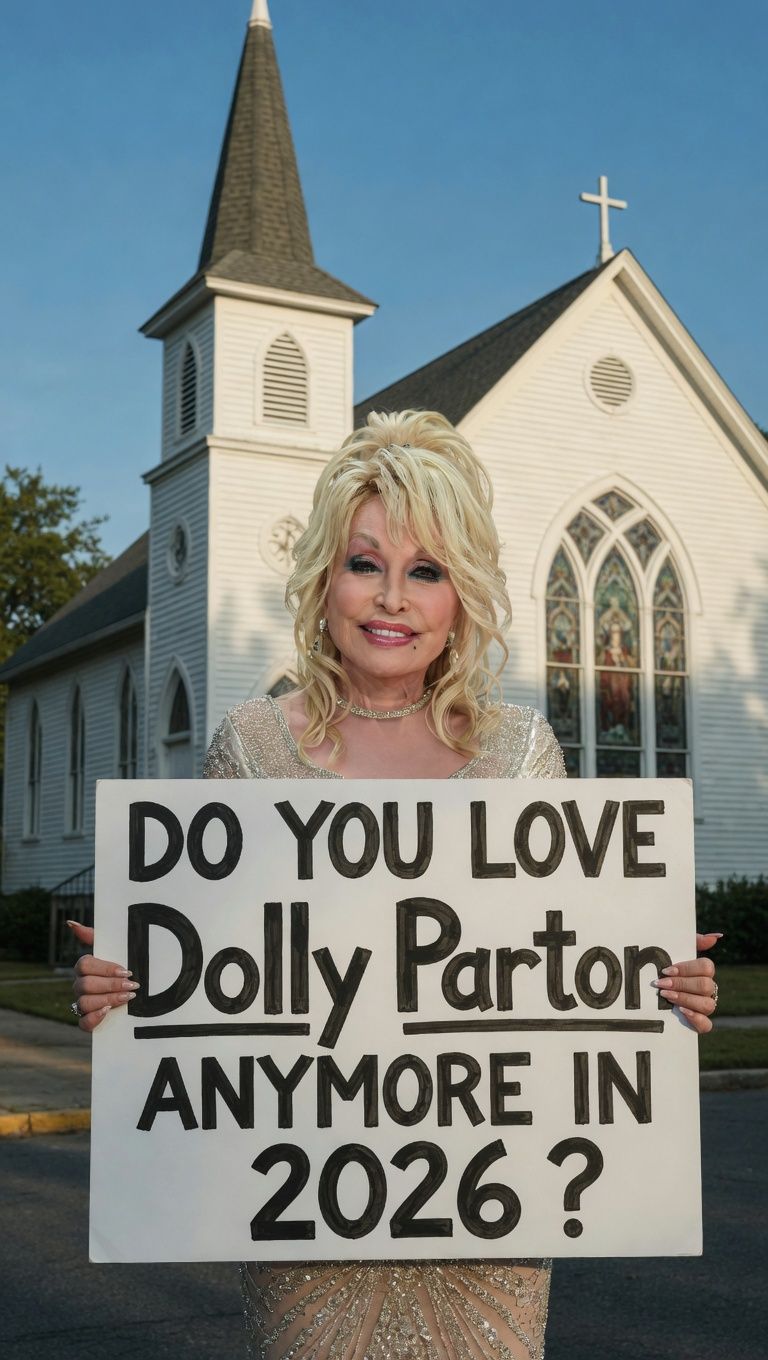
When Dolly arrived in Nashville, many underestimated her. Some saw only the image. They did not see the businesswoman, the poet, the strategist, or the survivor. Even when the industry tried to shape her into something more fashionable, she found her way back to country music because she knew where her truth lived. Her song “Dumb Blonde” became more than a charting record. It became a declaration. She took the label meant to belittle her and transformed it into a symbol of control.
Perhaps one of the clearest examples of Dolly’s intelligence came when Elvis Presley wanted to record “I Will Always Love You.” Many artists might have accepted any condition just to hear the King sing their song. Dolly did not. When asked to give up part of her publishing rights, she refused. That decision was not pride. It was wisdom. Years later, when Whitney Houston’s version became a global phenomenon, Dolly’s choice proved that kindness and intelligence can live in the same heart.
But Dolly Parton’s greatness does not end with music. Her legacy reaches into homes, schools, and childhoods through her Imagination Library, a gift born from love for her father and respect for the power of reading. That may be the most beautiful part of her story. The girl who came from almost nothing chose to give millions of children something priceless: a door into possibility.
The woman they called a “dumb blonde” became a living legend. A songwriter’s songwriter. A businesswoman. A philanthropist. A country music queen. And through it all, she kept smiling — not because the world never hurt her, but because she had already decided what her life would mean.
Dolly Parton was never here to be explained by small minds. She was here to shine, to write, to give, and to become unforgettable.