Introduction
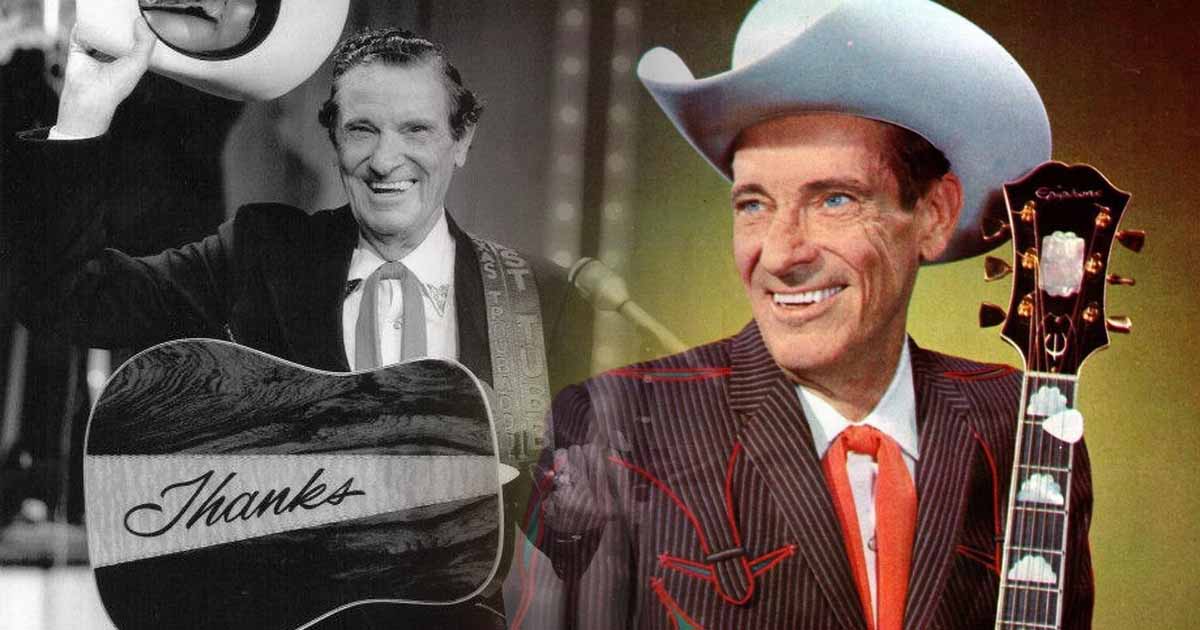
Few songs in country music history carry the plainspoken heartbreak and lasting authority of Ernest Tubb – I’m Walking The Floor Over You. Released at a time when country music was still finding its national voice, this classic did more than become a signature song. It helped define the sound, feeling, and emotional honesty that generations of listeners would come to expect from traditional country music. For older listeners especially, this is not merely an old recording. It is a doorway back to a time when a singer did not need polish, spectacle, or grand production to make a heart feel understood.
Ernest Tubb was never the smoothest singer in the room, and that may be precisely why his voice remains so powerful. There is a human roughness in his delivery, a directness that feels less like performance and more like a man telling the truth because he has no other choice. In I’m Walking The Floor Over You, he captures one of country music’s most enduring images: a person alone at night, unable to sleep, pacing across the floor while memory, regret, and longing refuse to let the room grow quiet. It is simple, but it is unforgettable.
What makes the song so remarkable is its restraint. It does not try to overwhelm the listener. It does not decorate sorrow with unnecessary drama. Instead, it lets the emotion stand in its most familiar form: restless steps, a troubled mind, and the ache of someone who cannot stop thinking about what has been lost. That is why the song still feels honest after all these years. Many people have known that kind of night, when the house seems too silent, the clock moves too slowly, and the heart keeps returning to one name, one memory, one absence.
Musically, Ernest Tubb – I’m Walking The Floor Over You also represents a turning point. Its bright honky-tonk rhythm gives the sadness movement, proving that country music can carry pain without becoming heavy or hopeless. The song almost walks along with the listener. Every beat feels like another step across the floor. Every phrase feels like another thought that will not leave. This balance between sorrow and rhythm became one of the great strengths of country music, influencing countless artists who followed.

For educated listeners who appreciate the roots of American music, this recording deserves special attention. It shows how country music grew from ordinary language, working-class emotion, and the courage to say difficult things plainly. Tubb did not sing as though he were above the audience. He sang as though he were among them. That is why his music still feels personal. He gave dignity to heartache and turned private pain into a shared experience.
Listening to I’m Walking The Floor Over You today is like hearing the foundation of country music being laid one honest line at a time. It reminds us that before country became an industry, it was a conversation between lonely people and the songs that helped them survive the night. Ernest Tubb understood that better than almost anyone. And with this timeless classic, he left behind more than a hit record. He left behind a piece of emotional history — one that still walks the floor with every listener who has ever loved, lost, and remembered.